Why visit Pompeii
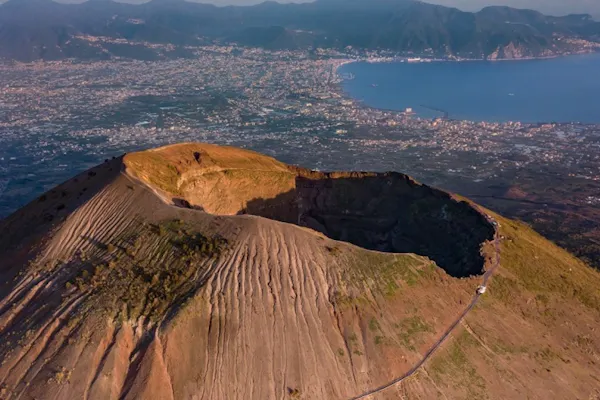
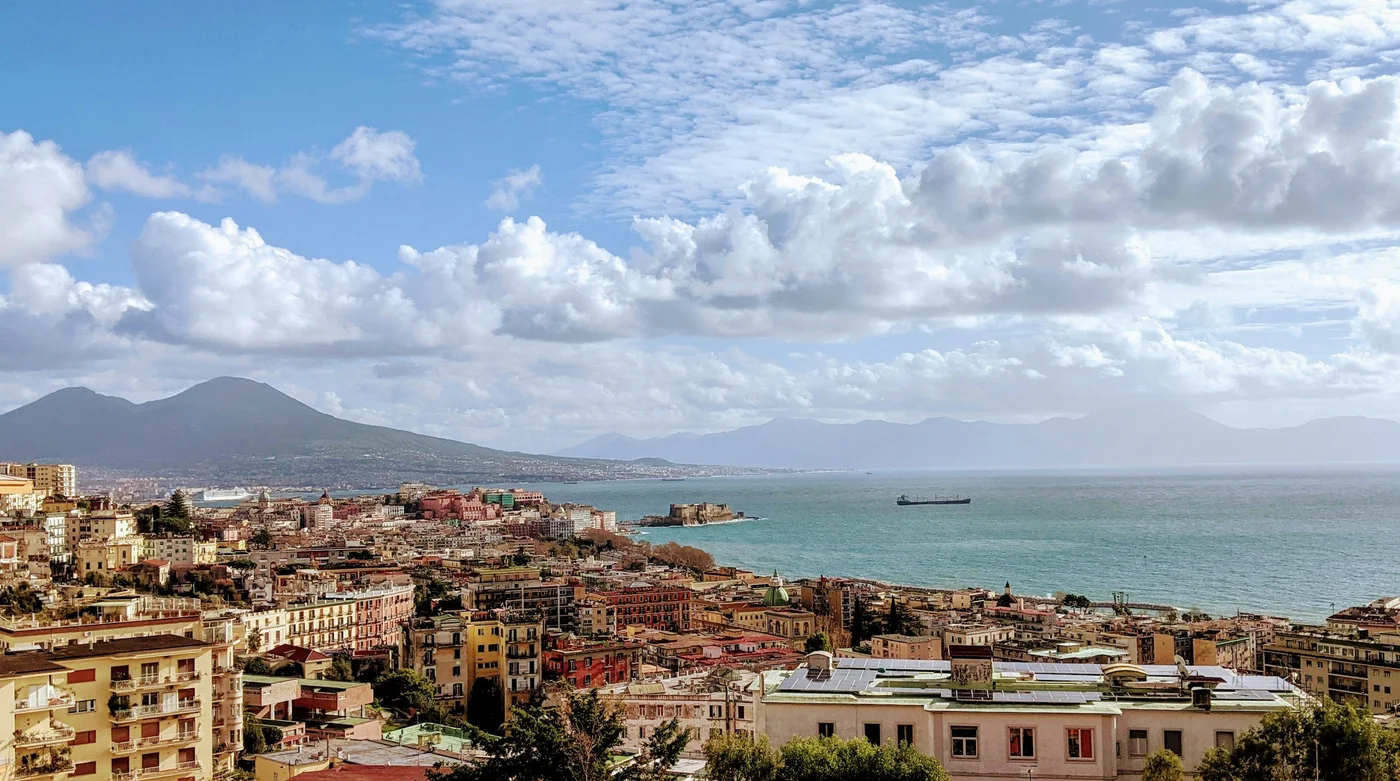
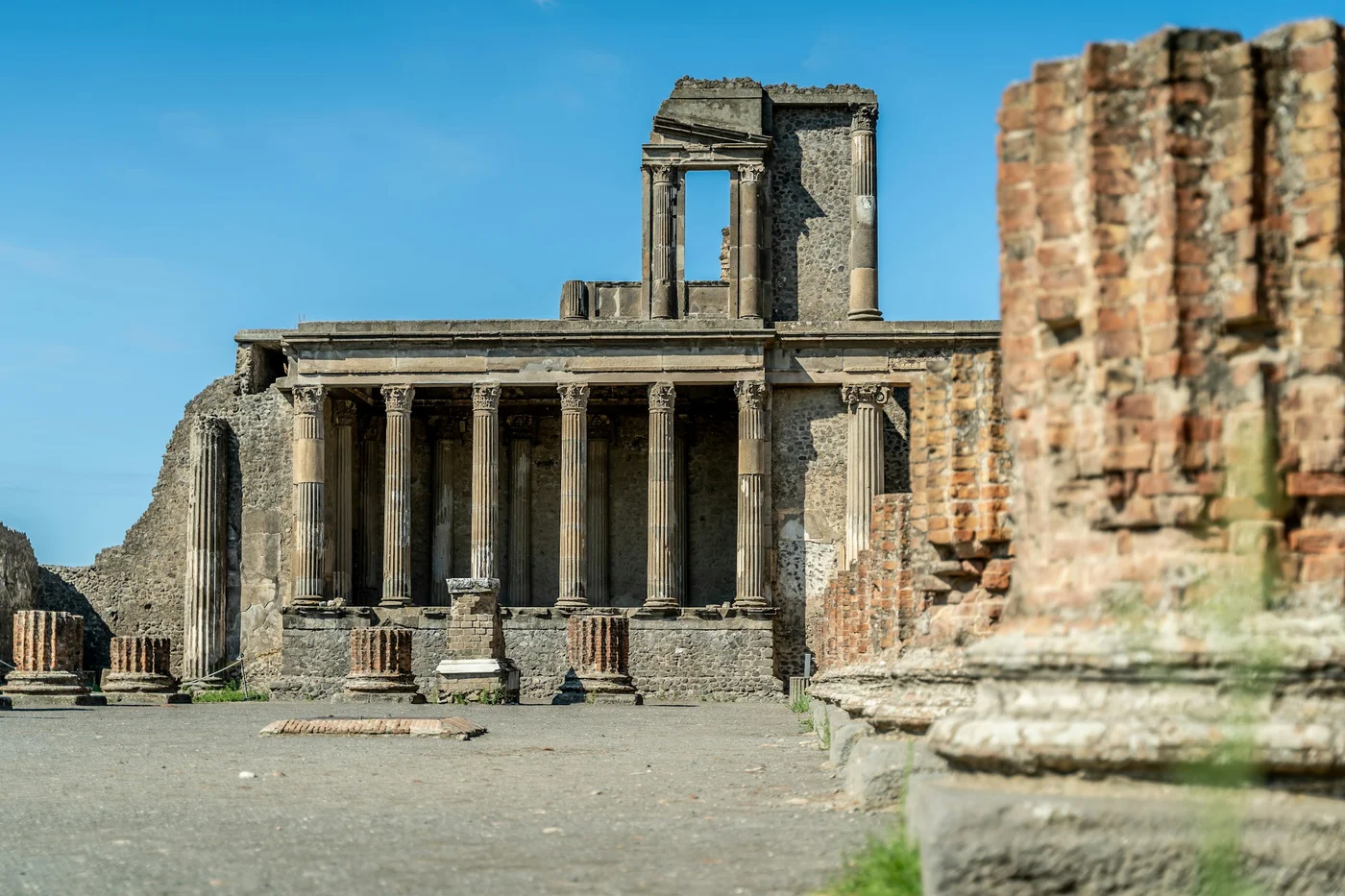
Pompeii is the most extraordinary archaeological site in Europe — a complete Roman city of around 12,000 people frozen at a single moment in time, when Mount Vesuvius erupted on 24 October AD 79 and buried it under 5–7 metres of pumice and ash. Walking the cobbled streets today — with the original cart-wheel ruts still visible, the famous 'Cave Canem' (Beware of the Dog) mosaic at one threshold, the painted house facades, the bakeries with their loaves still in the ovens — you genuinely cannot tell where ancient stops and modern begins. Unmissable sights inside the 165-acre archaeological park include the Forum (the heart of civic life) with Vesuvius looming behind it; the Lupanar (the brothel, with explicit frescoes advertising the services); the Amphitheatre (the oldest surviving Roman amphitheatre, AD 70 BC); the Villa of the Mysteries (with its astonishing red-and-black Dionysiac initiation frescoes); and the heart-breaking plaster casts of victims captured in their final moments, made by pouring plaster into the ash voids around their bodies. Allow a full day; pair with Herculaneum (smaller and even more dramatically preserved) and a climb up Vesuvius itself if time permits. 24km from Naples by Circumvesuviana train.
 Editor's pick · Tiqets