









Skip to content

More pages

Digital Nomad Visas in Europe

Complete 2026 guides to every European country offering a remote-work residence visa. Income thresholds, tax treatment, and the practical reality for each major nationality.

A digital nomad visa is a residence permit aimed at remote workers, freelancers, and online professionals earning income from outside the host country. Initial validity is typically one to three years, renewable up to a country-defined maximum, often with a clear path to permanent residency.

The European landscape changed in 2026. The EU Entry/Exit System (EES) went fully operational on 10 April 2026, replacing manual passport stamping with biometric entry and exit tracking. ETIAS, the EU's €20 pre-travel authorisation, launches in Q4 2026 with a six-month transitional period plus six-month grace, putting mandatory enforcement no earlier than April 2027. Both reshape how non-EU nationals manage long stays in Europe, and both make the national DNV route more attractive than ever for serious remote-work residents.

All 12 European DNVs at a glance

Compare income thresholds, tax rates, processing times, and fees side by side. Shorter bars are better.

Spain

Beckham Law

up to 60mo
Income req. €2,849/mo
Tax rate 24%
Processing 8 wks
Fee €80
See the full Spain guide

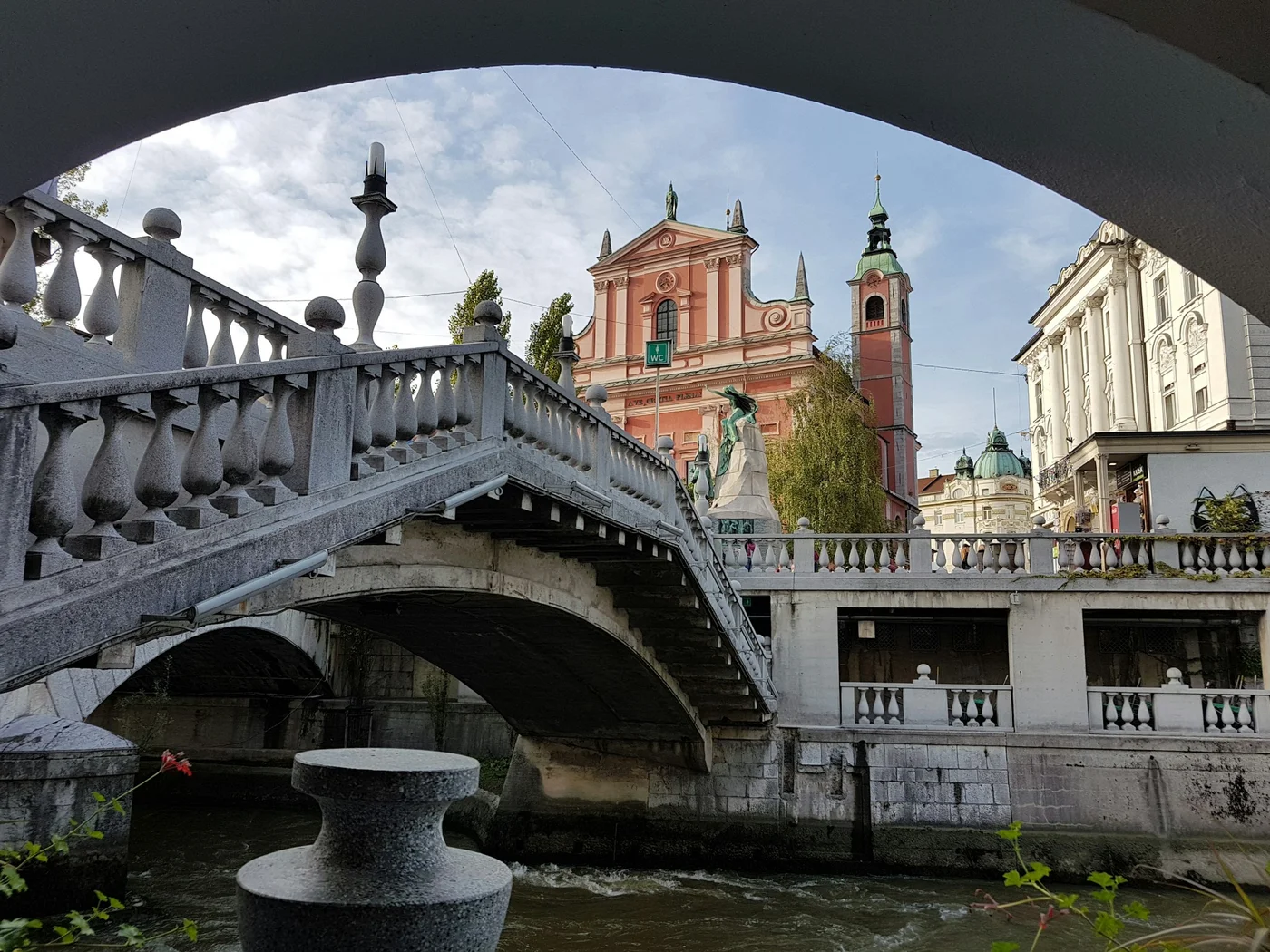
Slovenia

Digital Nomad Visa

up to 12mo
Income req. €3,200/mo
Tax rate 16%
Processing 9 wks
Fee €50
See the full Slovenia guide

Portugal

IFICI (ex-NHR)

up to 60mo
Income req. €3,680/mo
Tax rate 20%
Processing 12 wks
Fee €75
See the full Portugal guide

Italy

Impatriati

up to 60mo
Income req. €2,333/mo
Tax rate 30%
Processing 12 wks
Fee €116
See the full Italy guide

Greece

50% income tax exemption

up to 36mo
Income req. €3,500/mo
Tax rate 22%
Processing 10 wks
Fee €75
See the full Greece guide

Croatia

Foreign-income exemption

up to 18mo
Income req. €3,295/mo
Tax rate Tax-free
Processing 8 wks
Fee €60
See the full Croatia guide

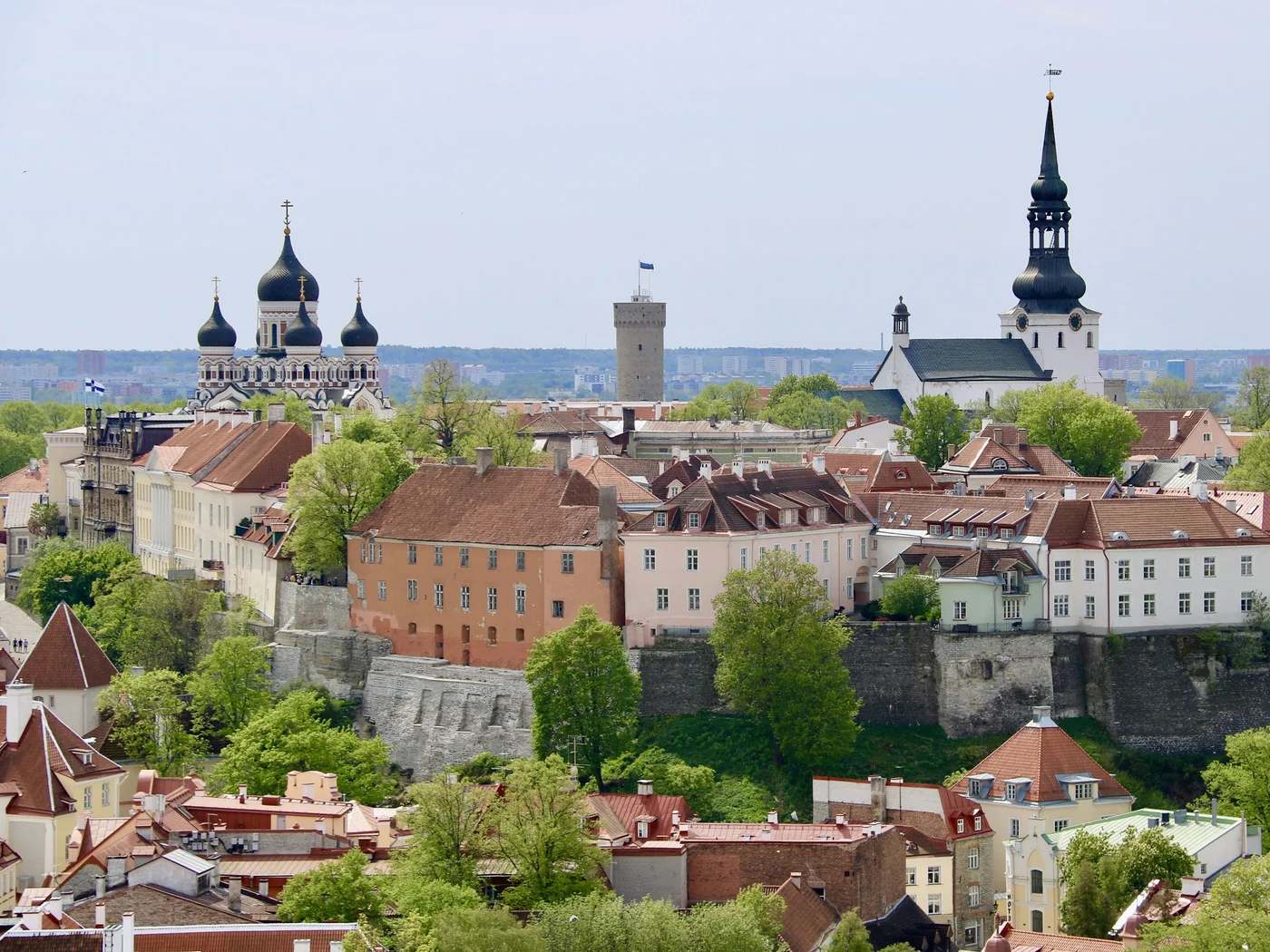
Estonia

e-Residency company option

up to 12mo
Income req. €4,500/mo
Tax rate 22%
Processing 4 wks
Fee €100
See the full Estonia guide

Hungary

Digital Nomad Visa

up to 24mo
Income req. €3,000/mo
Tax rate 15%
Processing 8 wks
Fee €110
See the full Hungary guide

Romania

IT-sector exemption

up to 24mo
Income req. €5,800/mo
Tax rate 10%
Processing 6 wks
Fee €120
See the full Romania guide

Latvia

Digital Nomad Visa

up to 24mo
Income req. €4,213/mo
Tax rate 25%
Processing 8 wks
Fee €90
See the full Latvia guide

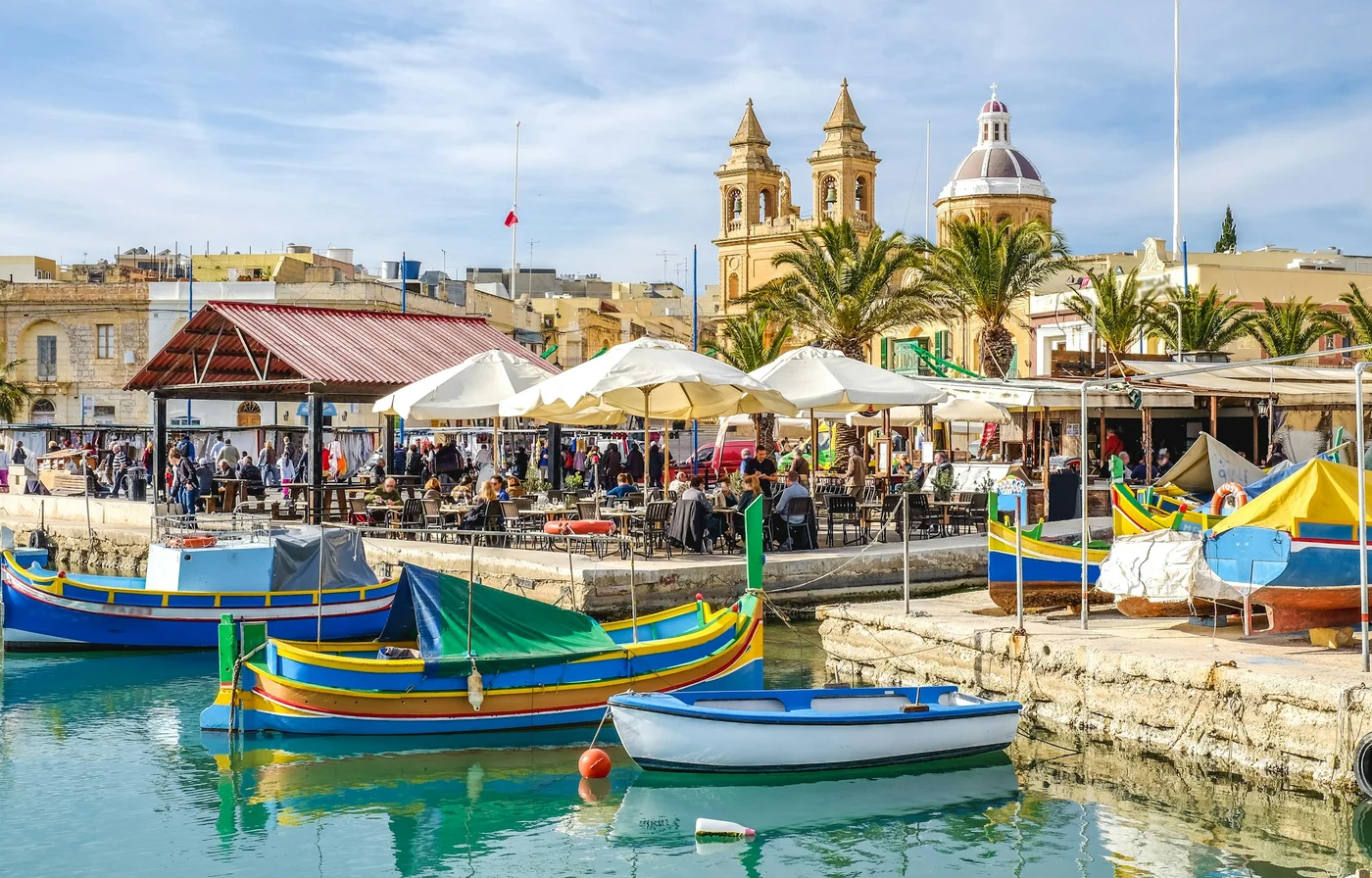
Malta

Nomad flat tax

up to 48mo
Income req. €3,500/mo
Tax rate 10%
Processing 10 wks
Fee €300
See the full Malta guide

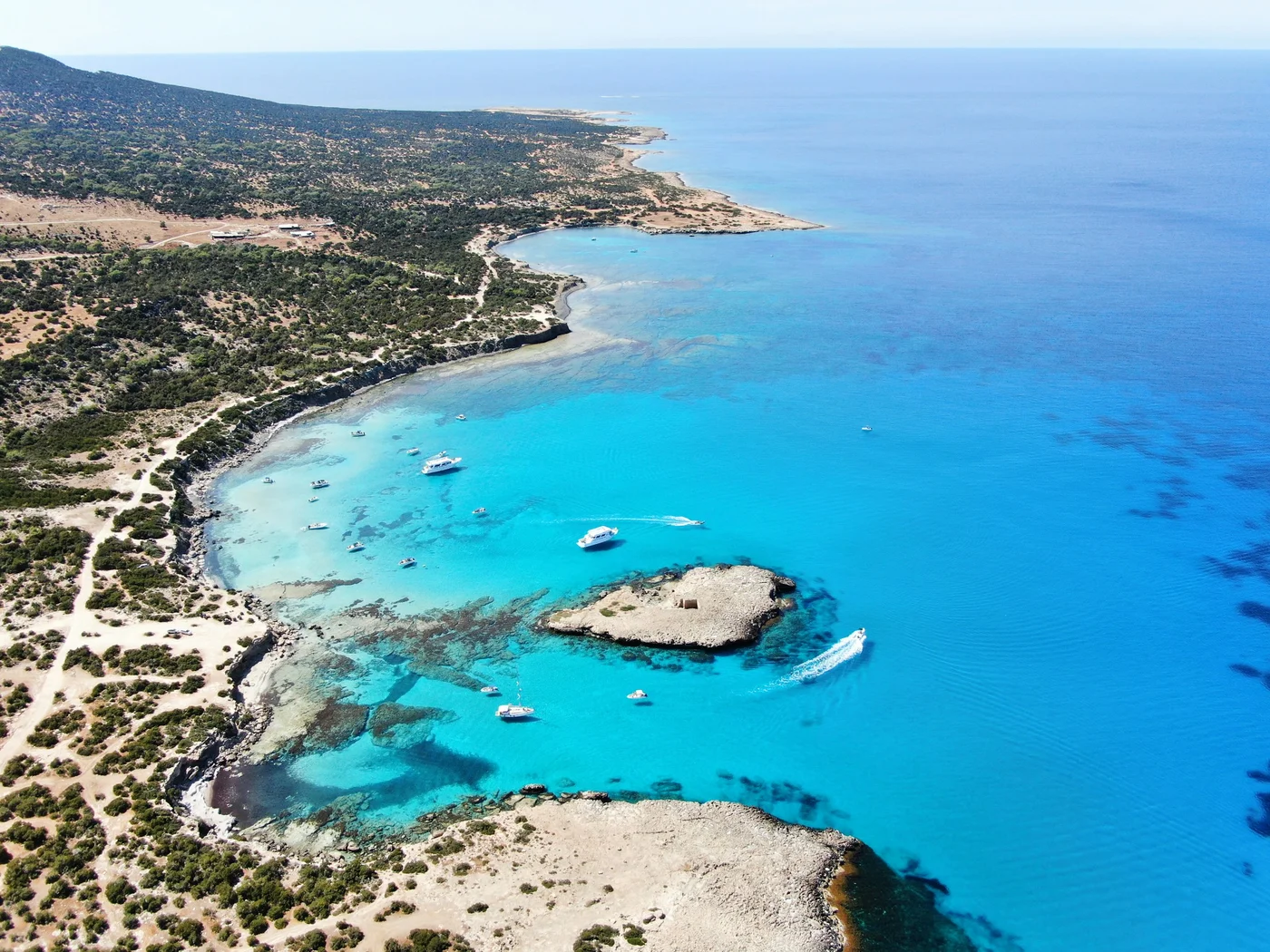
Cyprus

50% income tax exemption

up to 36mo
Income req. €3,500/mo
Tax rate 17%
Processing 10 wks
Fee €70
See the full Cyprus guide

Iceland

Non-resident (under 183 days)

up to 6mo
Income req. €6,900/mo
Tax rate Tax-free
Processing 6 wks
Fee €90
See the full Iceland guide

Remote work, residency, and the 183-day line

A digital nomad visa is a residence permit aimed squarely at remote workers earning income from outside the host country. Most last between one and three years, often with a path to permanent residency — and almost universally trigger local tax residency if you spend more than 183 days in the country during a 12-month period. The right country for you depends on income thresholds, tax treatment, family eligibility, and how long you actually plan to stay.

How to choose the right European DNV

Several factors typically drive the choice: income threshold, tax treatment, family eligibility, location quality, and citizenship pathway. Spain and Portugal lead on tax incentives (Beckham Law, NHR Lite). Estonia leads on application speed and digital infrastructure. Croatia and Greece offer lower income thresholds. Italy and Germany have stricter income requirements but offer broader employment categories.

The 183-day tax residency rule applies almost universally: spending more than 183 days in any 12-month period in a country typically makes you a tax resident there, with global income implications. Tax treaties between your home country and the destination can soften this, but professional cross-border tax advice is strongly recommended before relocating.

How European DNVs interact with EU rules

DNV × Schengen 90/180

Why time on a DNV does not count toward your 90-day visitor allowance, and the renewal-gap edge cases

DNV × ETIAS

Once your residence card is issued, ETIAS does not apply. The 2026 application-gap rules in detail

DNV × EES biometrics

EES went live April 10, 2026. As a residence-permit holder you stay out of scope at the border

Find the right European DNV

Cheapest DNVs

Lowest application fees and lowest income thresholds across all 12 European DNVs

Lowest-tax DNVs

Where DNV holders actually pay the least — Beckham Law, IFICI, Greek 50%, Croatia exemption

Easiest to get approved

Lowest income bars, fastest processing, and the most lenient documents

Best for families

DNVs that include partners and children with reasonable income top-ups

Path to citizenship

Which DNVs count toward the citizenship clock — EU passport in 5 to 10 years

Full tax-regime comparison

All 12 European DNV tax regimes side by side — flat rates, exemptions, and how long they last

SafetyWing · Nomad Insurance

Insurance for European DNVs

Every European DNV requires private health insurance with comprehensive coverage. SafetyWing is built for 2026 DNV requirements.

$177.50 / month for ages 18-39, in USD

Full health + travel cover, renewable forever

  • Exceeds the €30,000 Schengen medical minimum
  • Includes medical evacuation + repatriation
  • Cancel anytime — pay per 4 weeks or month
4.4/5 on Trustpilot

SafetyWing Ambassador link — we may earn a commission when you sign up, at no extra cost to you. Prices shown for ages 18-39 in USD; rates rise with age.

Digital nomad visa FAQs

What is a digital nomad visa?
A residence permit aimed at remote workers, freelancers, and online professionals who earn income from outside the host country. Typically 1 to 3 years initially with renewal options up to a country-defined maximum.
Which European countries offer DNVs?
Spain, Portugal, Italy, Greece, Croatia, Estonia, Czech Republic, Hungary, Romania, Latvia, Malta, Cyprus, Iceland, Norway, and the Netherlands (DAFT) all have dedicated DNV or remote-work residence programs as of 2026.
Do I need to pay tax in the DNV country?
Generally yes if more than 183 days are spent there in a 12-month period. Some countries offer special tax regimes for DNV holders: Spain's Beckham Law (24% flat for 6 years), Italy's impatriati regime, and Greece's 50% rule. Always verify with a cross-border tax advisor.
How does a DNV interact with the Schengen 90/180 rule?
Time spent in the country of residence on a DNV does not count toward the Schengen 90-day tourist limit. As a registered resident, the right to live there continuously is granted, while still being free to travel through other Schengen countries within the standard 90-in-180 rule for tourist visits.
Do DNV holders need ETIAS?
Once the residence card is issued, ETIAS is not required for entry to the country that issued the DNV. ETIAS may still be required for tourist travel to other Schengen countries during the brief gap before the card is issued.

Explore the rest of Europe Visa Check

Schengen 90/180 rule

How long you can stay across 30 European countries

ETIAS travel authorisation

€20 EU travel authorisation launching Q4 2026

EES biometric system

Live since April 10, 2026 — entry/exit tracking

Destinations and cities

Travel guides, top attractions, where to stay

UK travel rules

ETA and post-Brexit visa info for Britain

Travel and DNV insurance

Coverage for nomads, tourists, and Schengen-visa applicants

Change language