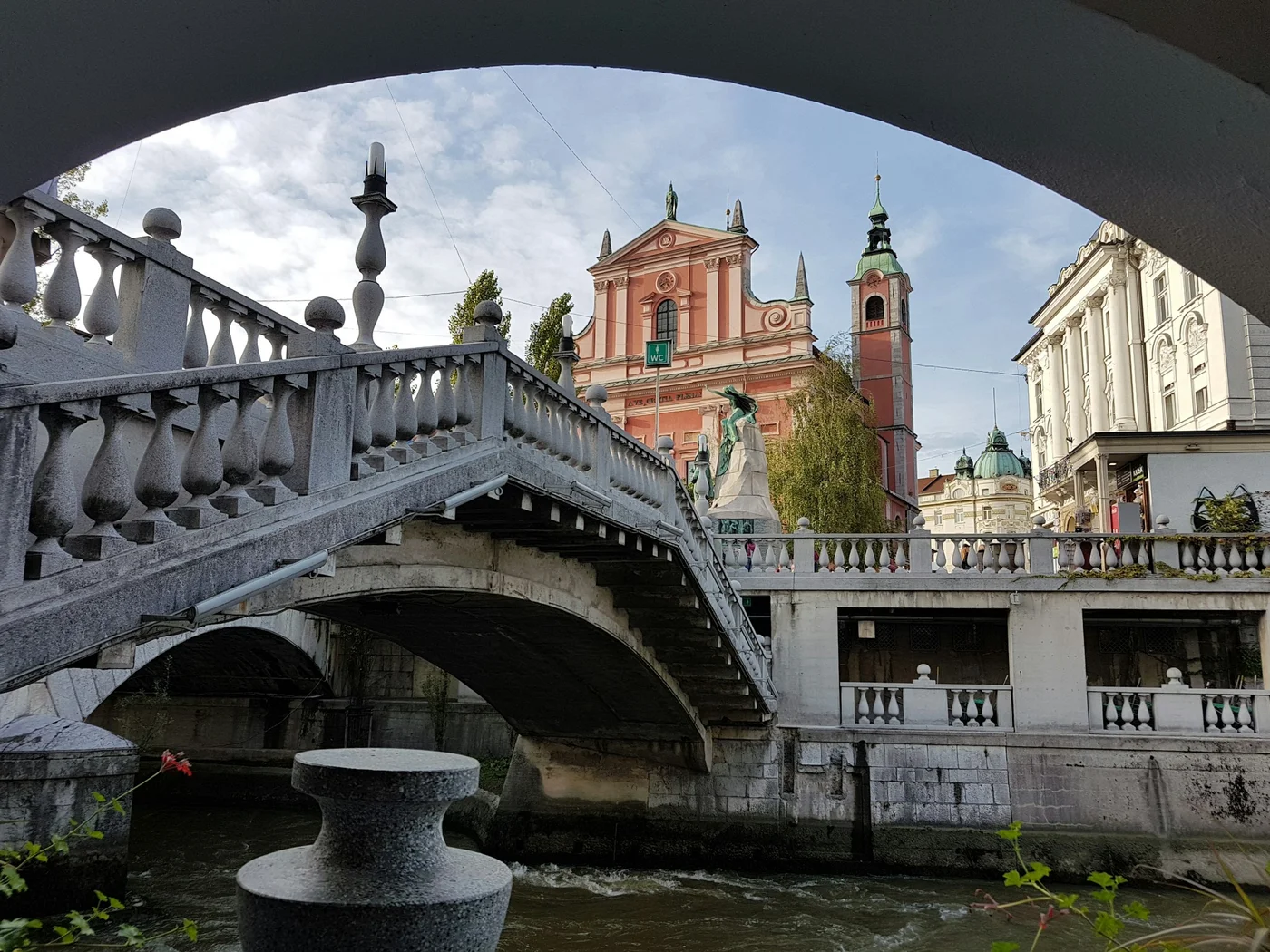
Best season: May to October (the cave is a constant 10°C year-round)
Explore PostojnaThe Slovenia Digital Nomad Visa
A 2026 deep dive into the Slovenia Digital Nomad Visa. Income, tax, application path, and how it stacks up against the other 12 European DNVs.
- Min monthly income
- €3,200
- Tax rate
- 16%
- Processing
- 4–9 wks
- Max stay
- 12 months
Slovenia's Digital Nomad Visa, launched on 21 November 2025, is one of the newest residence permits in Europe, targeting non-EU remote workers earning at least €3,200/month net. The permit allows third-country nationals to live and work remotely in Slovenia for up to 12 months for non-Slovenian employers or clients.
The permit is non-renewable, with a mandatory 6-month gap before reapplying. Slovenia does not offer a special tax regime for DNV holders: standard residency rules apply, meaning holders who stay 183+ days become Slovenian tax residents on worldwide income at progressive rates (16%–50%). The Slovenian Financial Administration issued specific guidance on the tax treatment of DNV holders on 28 January 2026, confirming the standard framework applies.
Slovenia for nomads, by the numbers
How this country scores for remote work and daily life, averaged across the cities we track.
7.4/ 10
- Affordability
- 6.0
- Internet
- 8.2
- Safety
- 7.8
- Climate
- 7.6
- Air quality
- 7.6
- English
- 8.0
- Healthcare
- 6.7
Averaged across 1 city. Scored out of 10 from public 2026 data: cost of living (Numbeo), internet speed (Ookla), safety, air quality, English proficiency (EF EPI) and healthcare.
Slovenia cities, scored for nomads
Internet, safety and cost of living for each Slovenian city we track. Tap through for the full local guide.
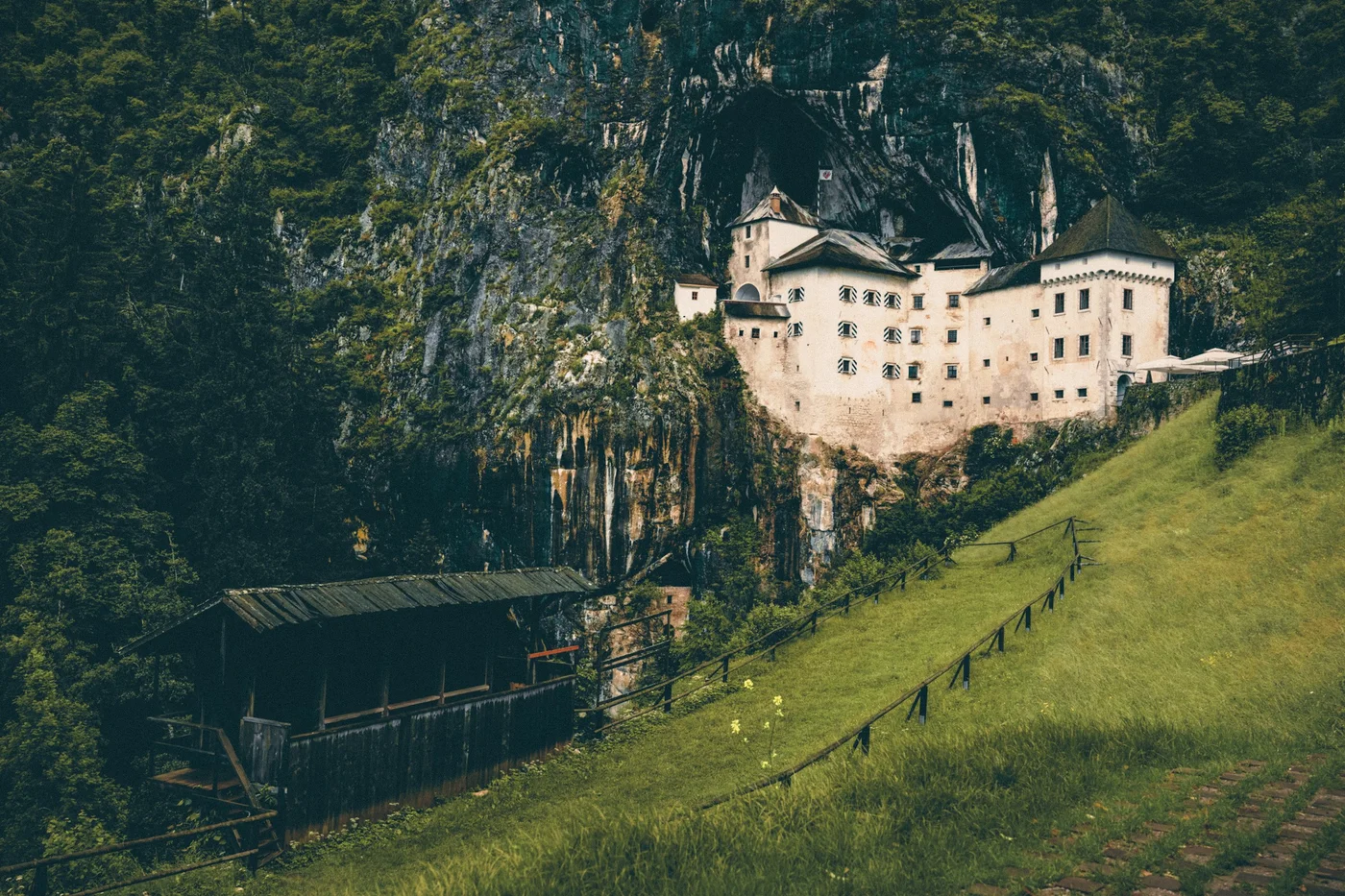
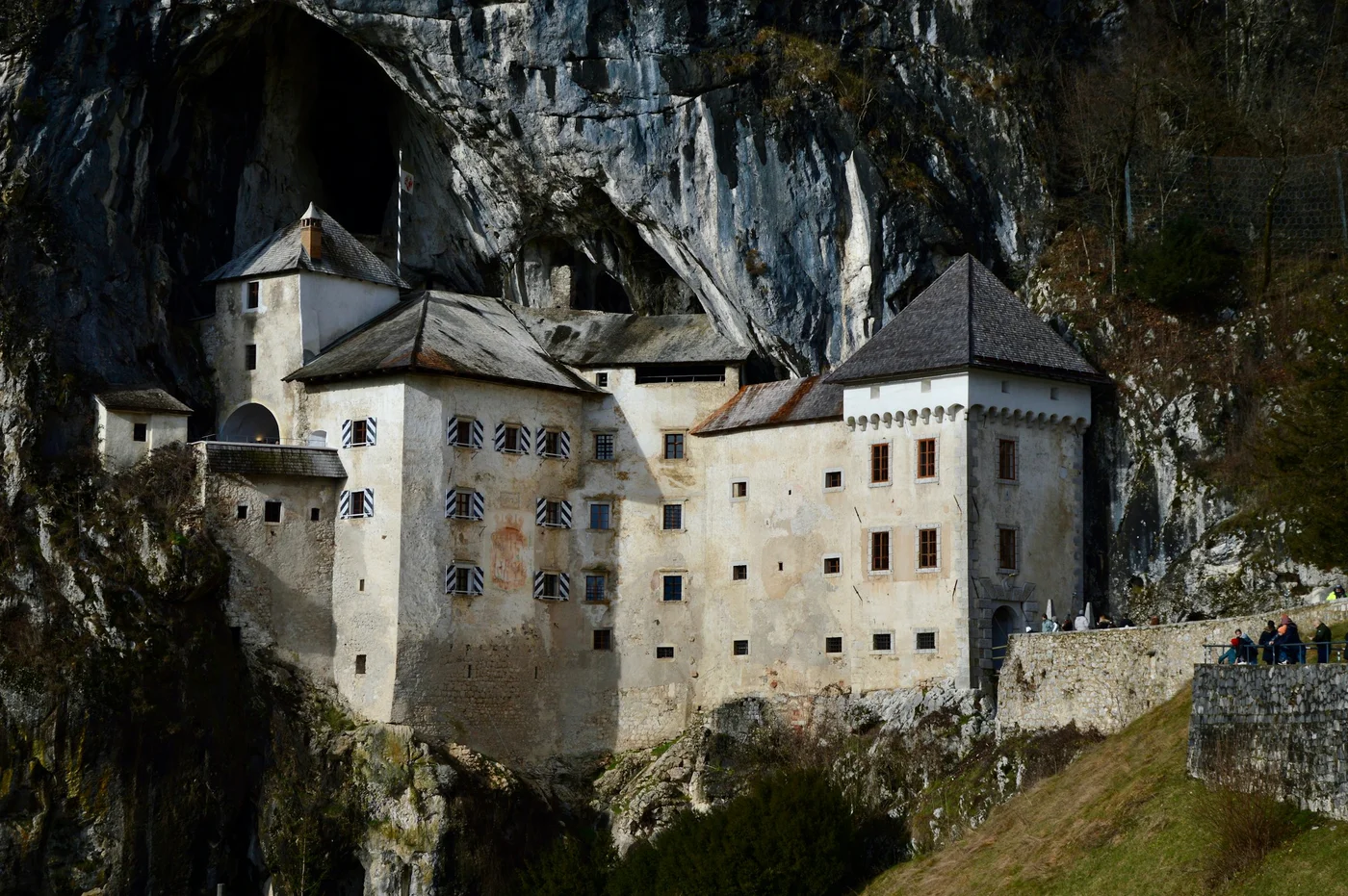
Best season: May to October (the medieval tournament weekend in July is brilliantly atmospheric)
Explore Predjama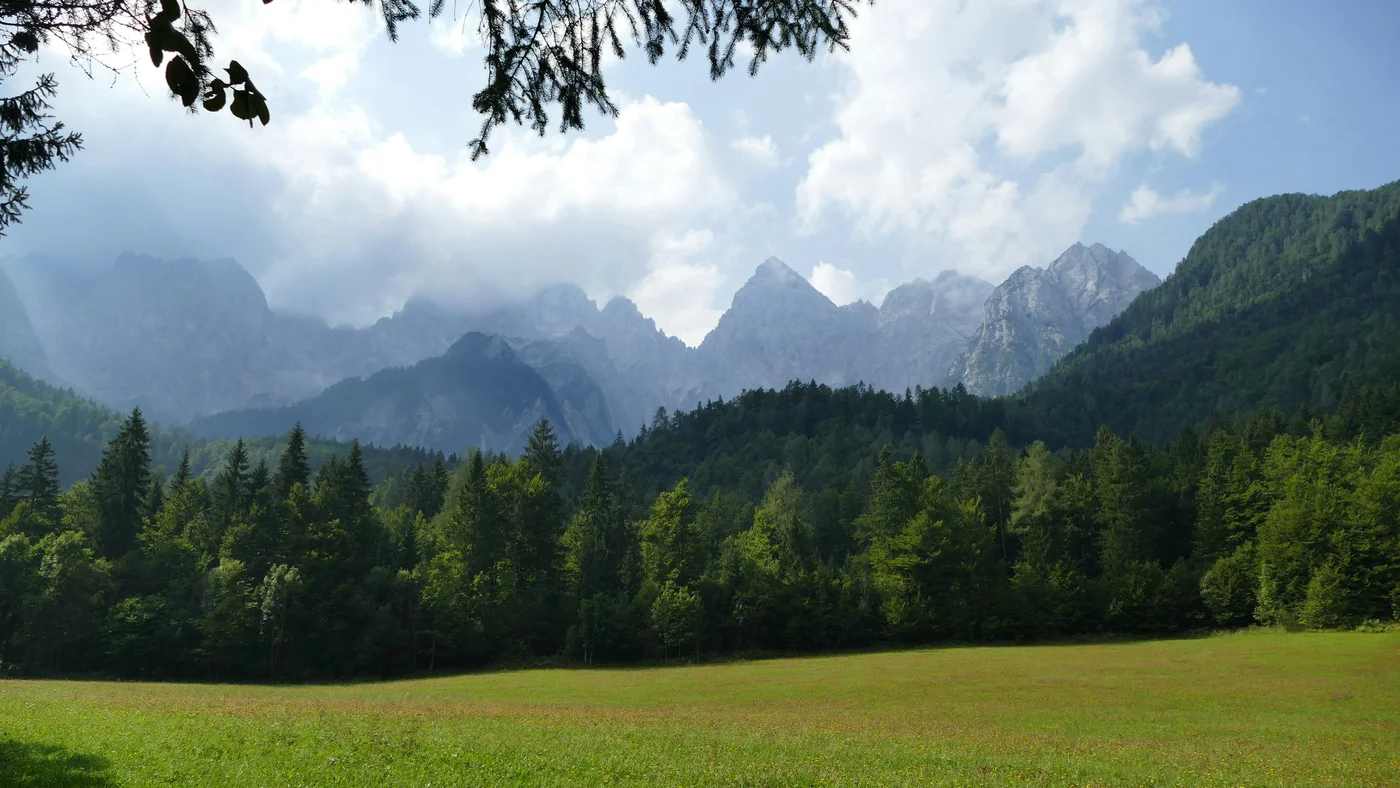
Best season: June to September (most high-altitude trails are snow-free; the climb to the Triglav summit is best July-September)
Explore Triglav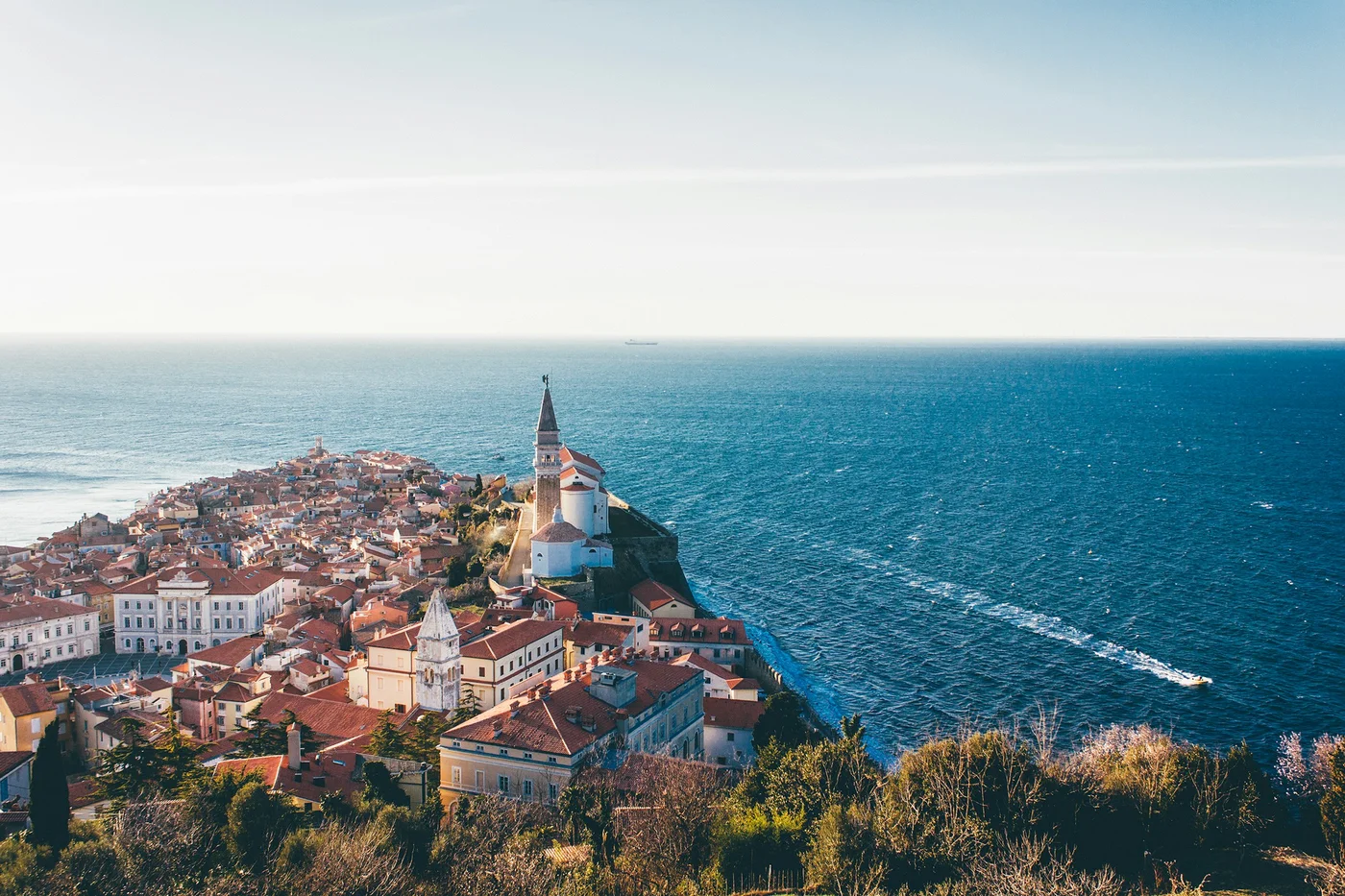
Best season: May to October (summer for swimming, May/September are quietest)
Explore Piran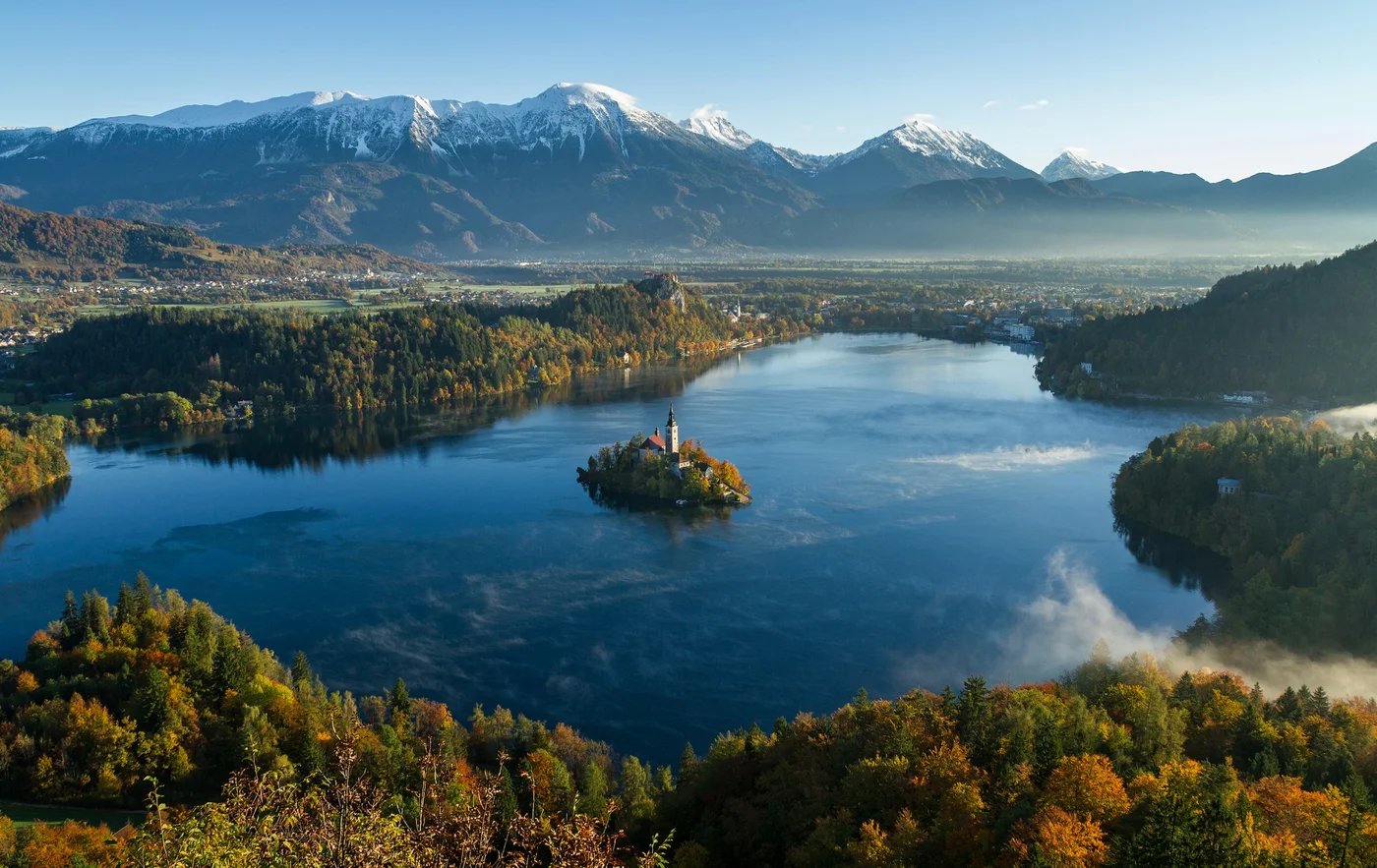
Best season: May to September
Explore Bled- Internet
- 8.2
- Safety
- 7.8
- Cost
- 6.0
How Slovenia taxes Digital Nomad Visa holders
The single most important factor after income thresholds. Here is what changes for you specifically as a DNV resident.
Standard tax rates apply
Slovenia does not offer a special tax regime tied to the Digital Nomad Visa. If you cross the 183-day threshold and become a tax resident, regular progressive rates apply to worldwide income. Foreign tax credits and bilateral treaties shape what you actually pay.
See which European DNVs do offer a special tax regimeThe essentials for the Slovenia DNV
Everything to assemble before you apply
-
Prove your income
Show €3,200+/month from remote work via payslips, contracts, or bank statements. Bringing a partner adds €640/month.
Documents guide - Official site
Apply via official portal
Slovenia government application — €50 fee, hybrid process.
Open official site - Recommended
Health insurance
€30,000+ medical cover for your move and Schengen entry. Renews monthly, cancel anytime.
4.4See plans -
Apostille your docs
Birth certificates, criminal records, and marriage certificates typically need Hague apostille or consular legalisation before submission.
Document checklist
Some links are affiliate — we may earn a small commission at no extra cost to you
How to apply: the Slovenia DNV
Plan four to six weeks of document prep on top of the official processing window.
- 1
Confirm you qualify
Check you have remote-work income of €3,200+/month from outside Slovenia, a passport valid 6+ months past your stay, and a clean criminal record.
- 2
Apostille your documents
Get Hague apostille on your birth certificate, criminal record (FBI/police check), and marriage certificate if applicable. Allow two to four weeks per document.
- 3
Buy compliant insurance
Private health insurance covering €30,000+ for the full visa duration, valid in Slovenia, with no co-pay clauses on essential care.
- 4
Submit your application
Submit via the hybrid process — pay the €50 fee. Bring originals and apostilled copies; consulate appointments fill fast.
- 5
Wait for approval
Processing typically takes 4–9 weeks. Track via the official portal — any missing documents reset the clock.
- 6
Register on arrival
Within 30 days of arrival in Slovenia, complete the local residence registration (TIE / NIE / residence permit, varies by country). This unlocks your tax ID and bank access.
Moving your money
Get paid in euros once you move to Slovenia
Local EUR account details, so clients pay you like a European business.
- EUR account details
- Mid-market rate
- Free to open
Two sides of the Slovenia DNV
An honest look at what works for nomads on this visa, and where the friction is.
- Newest EU DNV, launched 21 November 2025
- Low application fee (€50 in-country; €102 at embassy)
- Slovenia is a Schengen Area member with the euro, supporting full free movement and currency convenience
- High quality of life, exceptional natural beauty (Alps, Adriatic coast, Lake Bled), and strong digital infrastructure
- Strong English fluency among younger Slovenians and in Ljubljana's business and tech scene
- Family inclusion with spouse, registered partner, and documented unregistered partner
- Same-sex marriage legal since 2022
- No Slovenian language requirement at the DNV stage
- Cost of living lower than Western European EU capitals (Ljubljana materially cheaper than Vienna or Munich)
- Non-renewable: 12-month hard cap with mandatory 6-month gap before reapplying
- No DNV-specific tax preference; standard progressive 16%–50% rates apply for tax residents
- 183-day rule creates a hard tax-residency cliff for DNV holders staying the full 12 months
- Income threshold (€3,200/month net) is higher than Hungary, Croatia (in dependent terms), or Romania (renewal level)
- No path to permanent residency or citizenship through the DNV
- Slovenia does not generally permit dual citizenship (renunciation required for naturalisation)
- Cannot take Slovenian employment or generate Slovenian-source income
- Banking access requires Slovenian tax number; setup typically takes 4–6 weeks
Insurance for the Slovenia DNV
€30,000+ medical cover for your move and Schengen entry. Renews monthly, cancel anytime, works in 175+ countries.
$62.72 / 4 weeks for ages 18-39, in USD
Travel medical insurance
- Emergency medical and hospital treatment abroad
- Medical evacuation + repatriation included
- Cancel anytime — pay per 4 weeks
Your code
VISACHECK - 1 Tap Get covered now to open SafetyWing.
- 2 On their page, find the small pink camera icon and click it.
- 3 Paste
VISACHECKand press Redeem, before you create an account.
New SafetyWing members only, on the 28-day or annual Essential plan. After 8 weeks the add-on renews at the standard price, cancel anytime.
4.4/5 on Trustpilot
$177.50 / month for ages 18-39, in USD
Full health + travel cover, renewable forever
- Adds outpatient care, mental health and chronic conditions
- Maternity cover after 10 months
- No 12-month cap — renews for the full residence permit
4.4/5 on Trustpilot
What works
- €30,000+ cover for emergency medical, hospital, and evacuation
- Renews monthly — no big upfront payment
- Coverage in transit + travel back home
The trade-offs
- Essential excludes pre-existing chronic conditions — Complete covers them
- Short EU-only trips: cheaper single-trip policies exist
- A few countries require a locally authorised insurer for the DNV application itself, so confirm your destination accepts international cover
SafetyWing Ambassador link — we may earn a commission when you sign up, at no extra cost to you. Prices shown for ages 18-39 in USD; rates rise with age.
Other European DNVs
How Slovenia compares — browse other 2026 nomad visas
Croatia
Zagreb · Southeastern Europe
Cyprus
Nicosia · Southern Europe
Estonia
Tallinn · Northern Europe
Greece
Athens · Southern Europe
Hungary
Budapest · Central Europe
Iceland
Reykjavik · Northern Europe
Italy
Rome · Southern Europe
Latvia
Riga · Northern Europe
Malta
Valletta · Southern Europe
Portugal
Lisbon · Southern Europe
Romania
Bucharest · Southeastern Europe
Spain
Madrid · Southern Europe
Slovenia DNV: frequently asked questions
What is the Slovenia digital nomad visa?
It's a residence permit for remote workers, freelancers, and online professionals earning income from outside Slovenia. Initial validity is 12 months, renewable up to 12 months total.
What income do I need for the Slovenia DNV?
The minimum is €3,200/month from remote work. A partner adds €640/month; each additional dependent adds €320/month.
How long does the Slovenia DNV take to process?
Processing typically takes 4–9 weeks from submission. Plan another 4-6 weeks for apostille work and consulate appointments.
Does the Slovenia DNV lead to citizenship?
After 10 years of legal residence you typically become eligible to apply for citizenship. Check whether Slovenia requires renunciation of your prior citizenship — rules vary.
Which nationalities can apply?
The DNV is open to non-EU/EEA nationals with sufficient remote-work income from outside Slovenia. Your home-country tax treaty with Slovenia affects the practical economics more than visa eligibility itself.
Does the Slovenia DNV count toward Schengen 90/180?
No — time spent in Slovenia as a DNV resident does not count toward the Schengen 90-day tourist limit. You can still travel through other Schengen countries within the standard 90-in-180 rule for short visits.
Plan your day-to-day life in Slovenia
The DNV gets you the right to stay. The destination guide is what shapes how you actually live there: the attractions, the climate, the rhythm of the year, the neighbourhoods you would want to base from.