EU Entry/Exit System (EES)
What travelers need to know about Europe's new biometric border system.
Replaces passport stamps with digital entry/exit records. Collects biometrics (fingerprints + facial image) at the border. Applies to all non-EU travelers — visa holders, ETIAS holders, and visa-exempt alike. No pre-registration needed — everything happens at the border. Fully operational April 10, 2026 at all Schengen external borders.
- Replaces
- Passport stamps
- Biometrics
- Fingerprints + face
- Applies To
- All non-EU travelers
- Registration
- At the border
Borders without ink
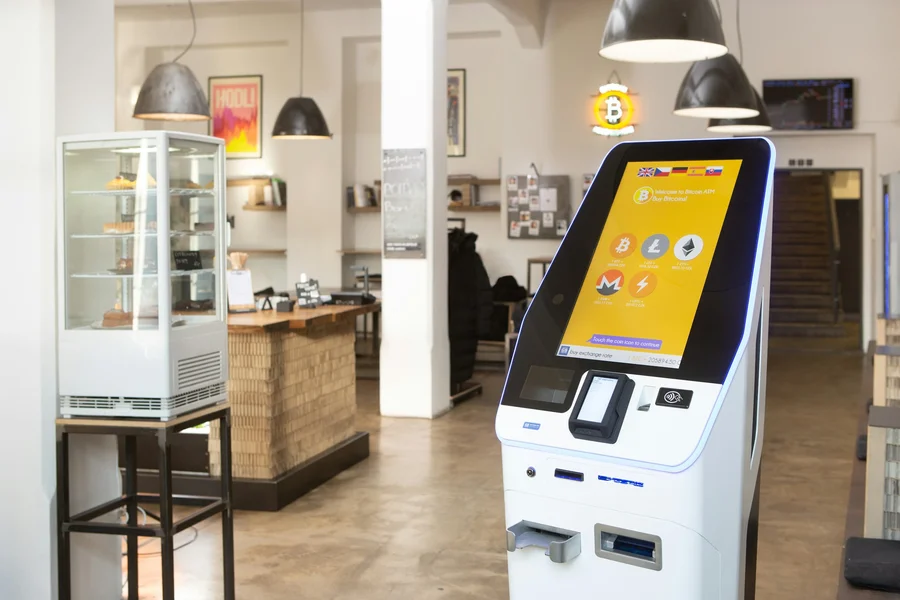
EES is the EU's new biometric border database. Instead of stamping your passport, border kiosks capture four fingerprints and a face scan on first entry; every subsequent crossing is matched against the file. It runs in parallel with ETIAS and is what's actually counting your 90/180 days going forward — the days of inky stamps and counting on your fingers are finished.
- Border crossings per year
- 500M+
- Facial scan time
- 3 sec
- Schengen countries
- 30
- Fully operational
- Apr 2026
What is the Entry/Exit System?
The Entry/Exit System (EES) is the EU's new automated border management system. It replaces manual passport stamping with digital records and biometric data (fingerprints and facial images) for all non-EU travelers entering and exiting the Schengen Area.
EES applies to everyone who is not an EU/EEA/Swiss citizen — whether you need a visa, ETIAS, or neither. Every time you cross a Schengen external border, the system records your entry and exit electronically.
How is EES Different from ETIAS?
EES is a border registration system — it records when you enter and leave. ETIAS is a pre-travel authorization — it determines whether you are allowed to travel. They work together but serve different purposes.
Think of it this way: ETIAS is your permission to travel (like a visa waiver), while EES is the system that stamps you in and out digitally at the border.
EES vs ETIAS
| EES | ETIAS | |
|---|---|---|
| What it does | Records entry/exit at borders | Pre-travel authorization |
| Who it affects | All non-EU/EEA travelers | 59 visa-exempt nationalities |
| When you interact | At the border | Before travel (online) |
| Biometrics | Fingerprints + facial image | No biometrics |
| Cost | Free | €20 (adults 18-70) |
| Launch | Oct 2025 (phased) | 2027 (expected) |
EES Timeline
Oct 12, 2025
Oct 12, 2025
EES rollout begins at select border crossings
Nov 2025 onwards
Nov 2025 onwards
Gradual expansion to more airports and land borders
Apr 10, 2026
Apr 10, 2026
EES fully operational at all Schengen external borders
2027 (expected)
2027 (expected)
ETIAS launches — works alongside EES
Key Facts
- Who's Affected
- All non-EU travelers
- Data Collected
- Biometrics + passport
- Data Retention
- 3 years
- Where
- All Schengen borders
Visa holders, ETIAS holders, and visa-exempt alike
4 fingerprints, facial image, travel document data
After last exit, or 5 years max
Air, land, and sea entry points