A taste of Zermatt
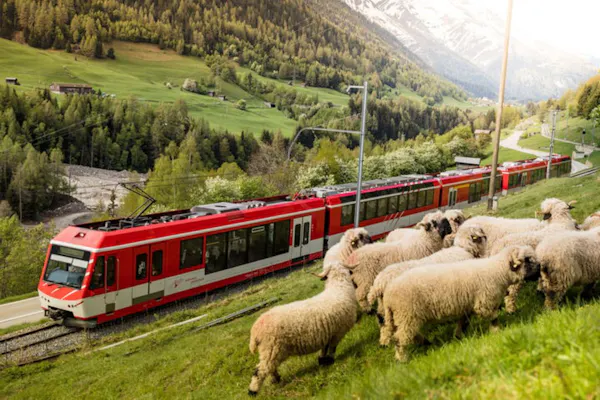
Zermatt is dominated by one single mountain — the perfect pyramid of the 4,478m Matterhorn, arguably the most photographed and instantly recognisable peak in the world, looming impossibly steeply above the village from every angle. The village itself is a wonderfully preserved Alpine resort with traditional dark-wood stadel barns (the old grain houses on stone mushroom-shaped staddle stones to keep mice out), entirely car-free (only quiet electric taxis allowed; visitors park at Täsch 5km down the valley and catch the shuttle train), and packed with serious mountaineering history. The Matterhorn Museum (Zermatlantis) tells the dramatic story of the mountain's first ascent on 14 July 1865 by Edward Whymper's British party — four of the seven climbers died on the descent, in one of the most famous mountaineering tragedies of the 19th century. The headline excursions: the Gornergrat cog railway (the highest open-air railway in Europe, climbing from 1,604m to 3,089m through 9 tunnels, with stunning Matterhorn views from the summit hotel terrace), the Matterhorn Glacier Paradise cable car (Europe's highest cable-car station at 3,883m, with the world's highest panoramic photo-walk and a glacial cave), and the Sunnegga funicular for easier walks. Zermatt is a serious year-round ski resort (open even in summer for high-altitude skiing on the Theodul Glacier).
 Editor's pick · Tiqets