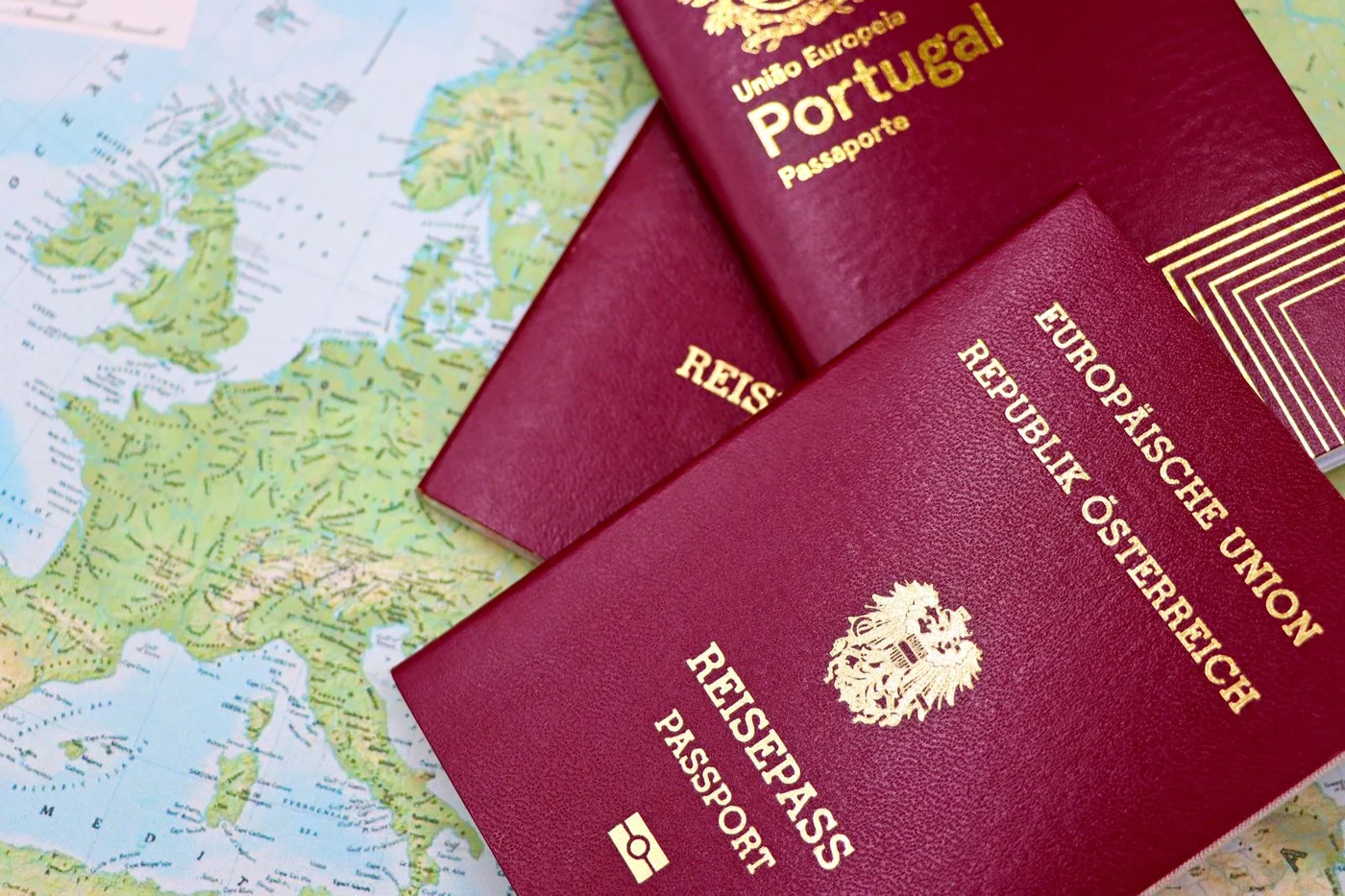
Insurance for the long road to Cyprus citizenship
Continuous health cover is part of demonstrating Cypriot residence integrity. SafetyWing's nomad plan renews monthly across visa, PR, and citizenship phases.
$62.72 / 4 weeks for ages 18-39, in USD
Travel medical insurance
- Emergency medical and hospital treatment abroad
- Medical evacuation + repatriation included
- Cancel anytime — pay per 4 weeks
Your code
VISACHECK - 1 Tap Get covered now to open SafetyWing.
- 2 On their page, find the small pink camera icon and click it.
- 3 Paste
VISACHECKand press Redeem, before you create an account.
New SafetyWing members only, on the 28-day or annual Essential plan. After 8 weeks the add-on renews at the standard price, cancel anytime.
4.4/5 on Trustpilot
$177.50 / month for ages 18-39, in USD
Full health + travel cover, renewable forever
- Adds outpatient care, mental health and chronic conditions
- Maternity cover after 10 months
- No 12-month cap — renews for the full residence permit
4.4/5 on Trustpilot
What works
- Meets the €30,000+ DNV minimum
- Renews monthly across the multi-year clock
- Switch off when you join Cyprus state healthcare
The trade-offs
- Pre-existing chronic conditions not covered
- Short EU-only trips — cheaper plans exist
SafetyWing Ambassador link — we may earn a commission when you sign up, at no extra cost to you. Prices shown for ages 18-39 in USD; rates rise with age.