A taste of Gdansk
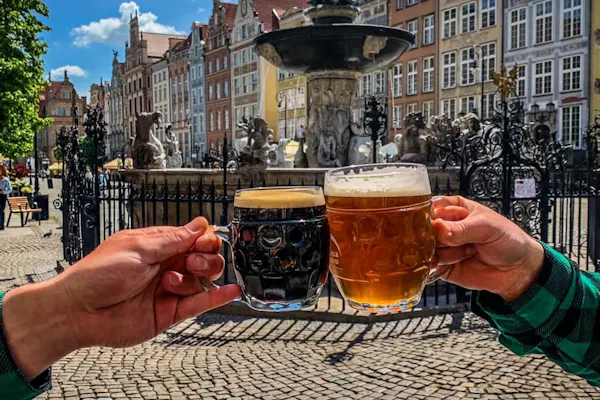
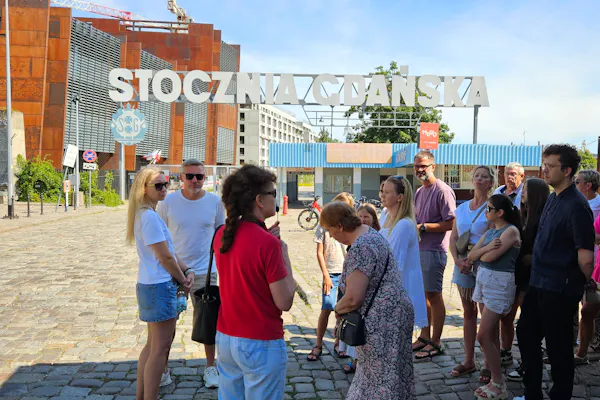
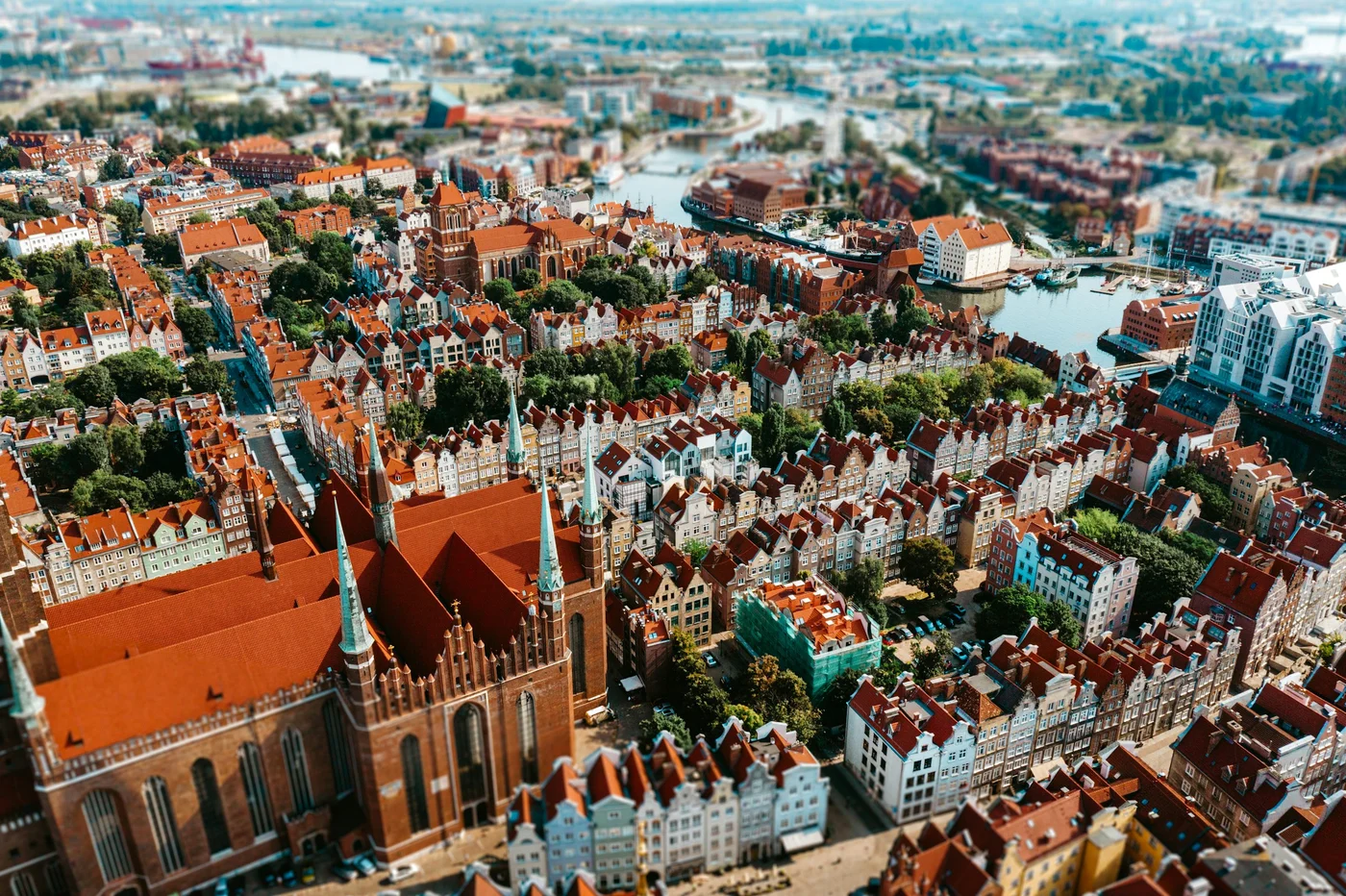
Gdańsk is one of the most architecturally stunning cities in Northern Europe — a Baltic port founded in the 10th century, the birthplace of the Solidarity movement that brought down communism, and the former Free City of Danzig (1920–1939), with one of the most painstaking and beautiful post-WWII reconstructions of any European old town. The headline sight is the kilometre-long pedestrianised Długa and Długi Targ ('the Long Market'), lined with tall, narrow, brilliantly coloured 16th-century Hanseatic merchant houses, anchored at one end by the Golden Gate and at the other by the Green Gate, with the Renaissance Town Hall and Neptune's Fountain in the centre. Walk past, along the Motława river, to the medieval Crane Gate (Żuraw, one of the largest surviving wooden cranes from medieval Europe), and on to the magnificent Gothic St Mary's Basilica — the largest brick church in the world, holding 25,000 people. The deeply moving European Solidarity Centre at the Lenin Shipyard tells the story of the 1980 strikes that started Eastern Europe's revolution against communism; the brilliant new Museum of the Second World War (a striking tilted-block design) gives the harrowing context of how the war started right here, on 1 September 1939, with the German shelling of Westerplatte just outside the city. Don't miss the beach resorts of Sopot and Gdynia (Tricity area).
 Editor's pick · Tiqets