Why visit Warsaw
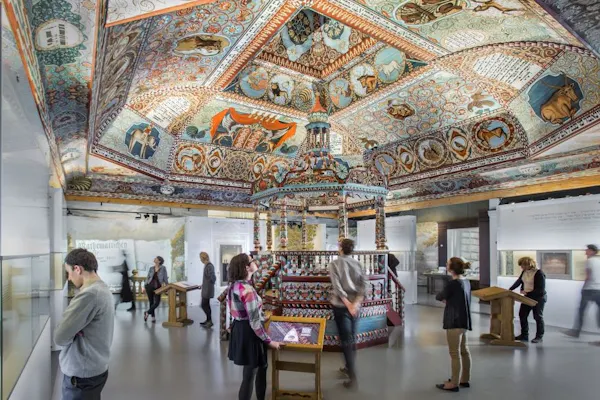
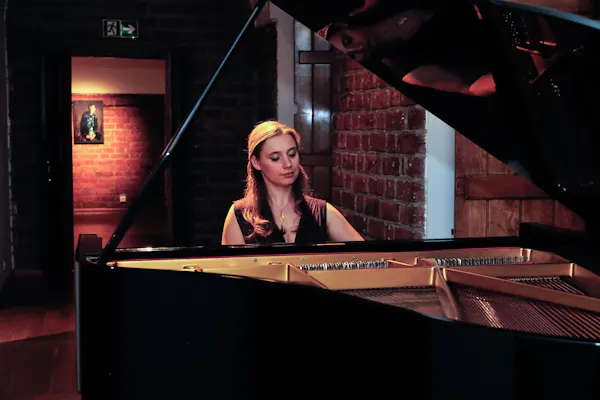
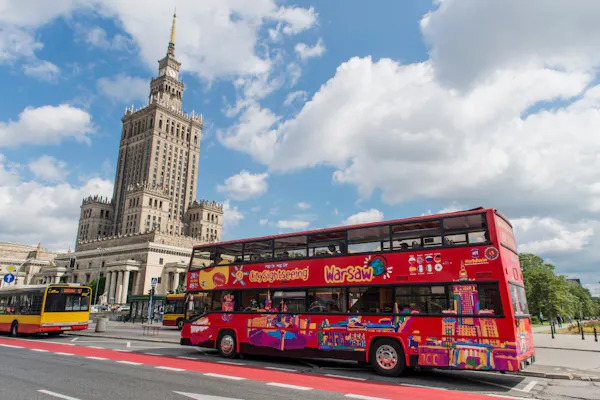
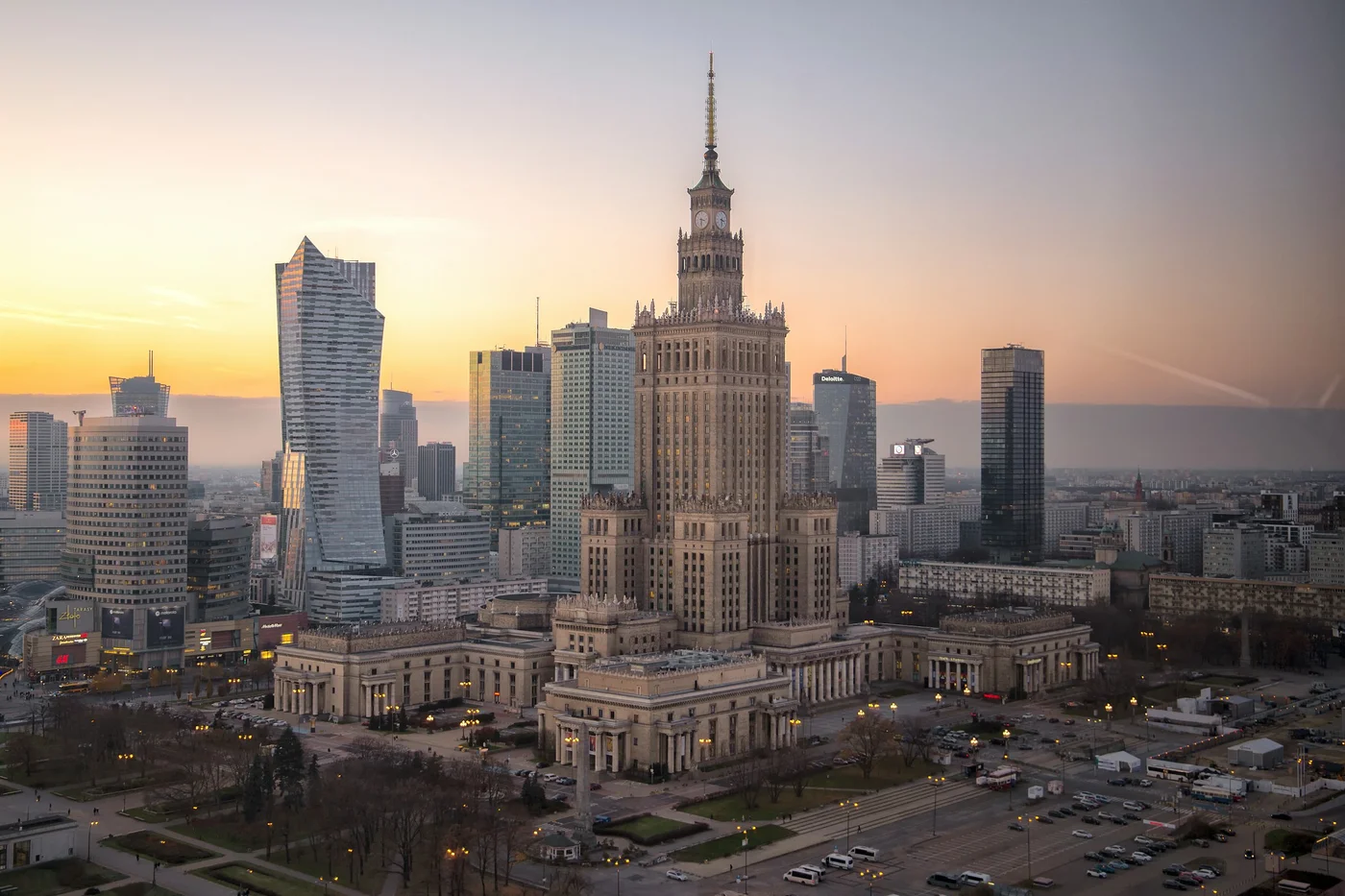
Warsaw (Warszawa) is one of the most fascinating post-war reconstruction stories in Europe — a city that the Nazis razed almost completely to the ground (around 85% of the buildings destroyed) in punitive demolition after the 1944 Warsaw Uprising, and then meticulously rebuilt in the 1950s using paintings by Bernardo Bellotto and surviving photographs. The result is the UNESCO-listed Old Town: a faithful recreation of the 18th-century medieval centre that looks ancient but is mostly less than 75 years old. Old Town Market Square with its colourful merchant houses, the dramatic Royal Castle (also painstakingly rebuilt, after deliberate demolition by the Germans), and the Barbican fortifications form the postcard image. Beyond, the layered 20th-century history dominates: the moving POLIN Museum of the History of Polish Jews (one of the most important Jewish museums in Europe) on the site of the destroyed Warsaw Ghetto, the powerful Warsaw Rising Museum, and the Soviet-era Palace of Culture and Science (a Stalinist gift from Moscow in 1955, the city's tallest building, with a 30th-floor viewing deck). Don't miss the regenerated Praga district (the working-class east bank that wasn't destroyed, now Warsaw's most interesting food and gallery quarter), Frederic Chopin's birthplace at Żelazowa Wola, and the moving Łazienki Park with its Sunday-afternoon free Chopin piano recitals all summer.
 Editor's pick · Tiqets