Croatia
Visit Pula
Highlights, attractions and travel tips Pula
- Population
- 57,000
- Main airport
- PUY
- Best time to visit
- May to September
- Climate
- Summer 24°C · Winter 7°C
A taste of Pula
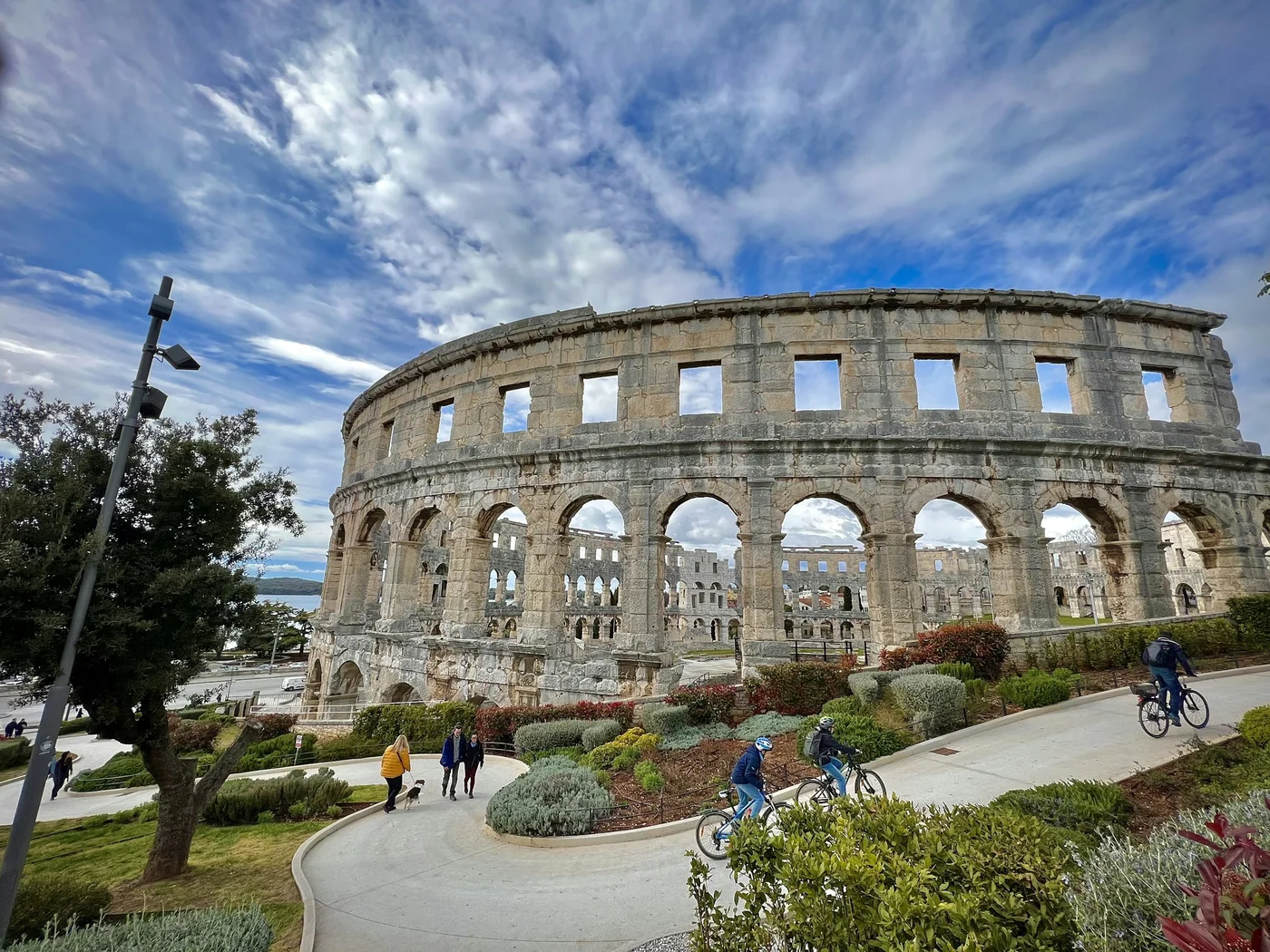
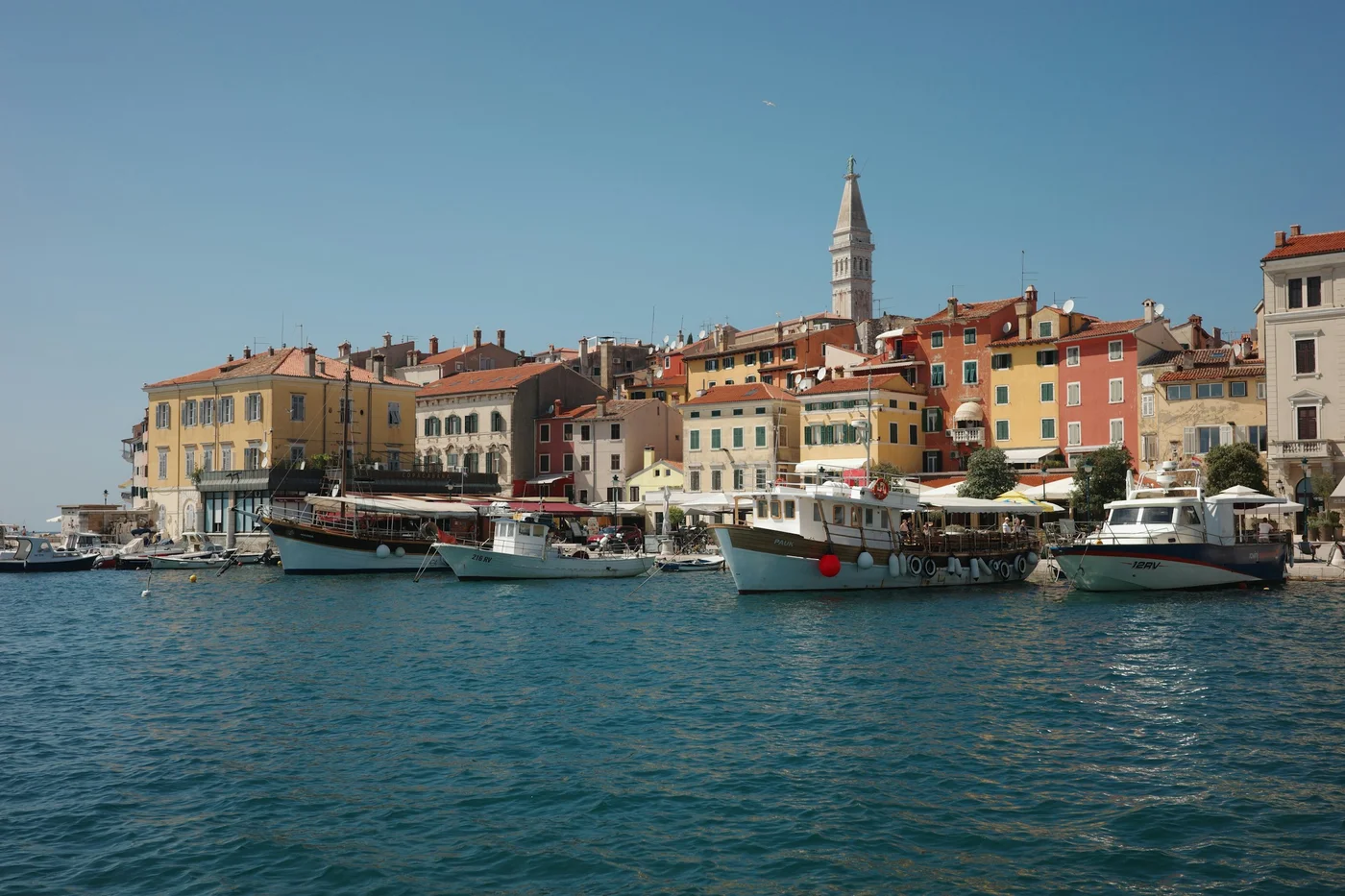
Pula is Croatia's largest Istrian city and an open-air Roman monument hiding in plain sight. The headline act is the 1st-century Arena — the 6th-largest surviving Roman amphitheatre in the world and the only one with all four side towers still standing, originally seating 23,000 spectators for gladiator games and still hosting concerts and the Pula Film Festival under the stars (Tom Jones, Sting, and Norah Jones have all played here in recent years). The Arch of the Sergii (27 BC) and the perfectly preserved Temple of Augustus on the small Forum square complete the Roman triad. Beyond Antiquity, the city has a Venetian-era hilltop fortress, an extensive system of WWI Austro-Hungarian tunnels (Zerostrasse) now lit and open as a cool walk under the city, and a remarkable abandoned-Yugoslav-naval-base feel out at the Brijuni Islands National Park — Tito's old summer playground, complete with safari park and dinosaur footprints. Pula also makes the perfect base for the Istrian coast: 30 minutes north gets you to the medieval hilltops of Rovinj and the truffle country around Motovun.
Common questions about visiting Pula
When is the best time to visit Pula?
Do I need a visa to visit Pula?
It depends on your nationality. Run a quick check to see whether you need a Schengen visa, ETIAS, or can travel visa-free into Croatia.
How do I get to Pula?
How do I get around Pula?
Keep exploring Croatia
Plan the rest of your Pula trip
Schengen day calculator
Plan around the 90 days in any 180 rule — see how long you can stay and when you can re-enter.
Travel insurance for Croatia
Medical, cancellation and baggage cover compared — what to look for before you book.