About Berlin
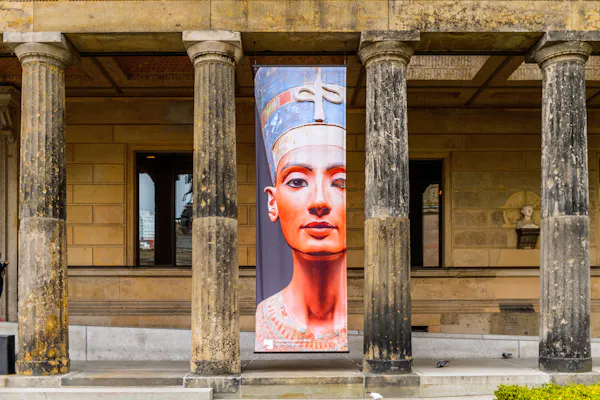
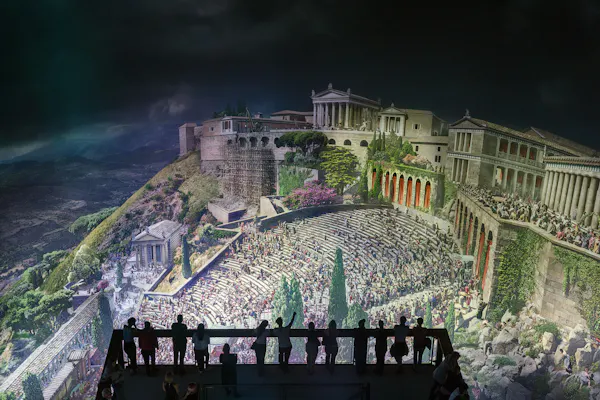
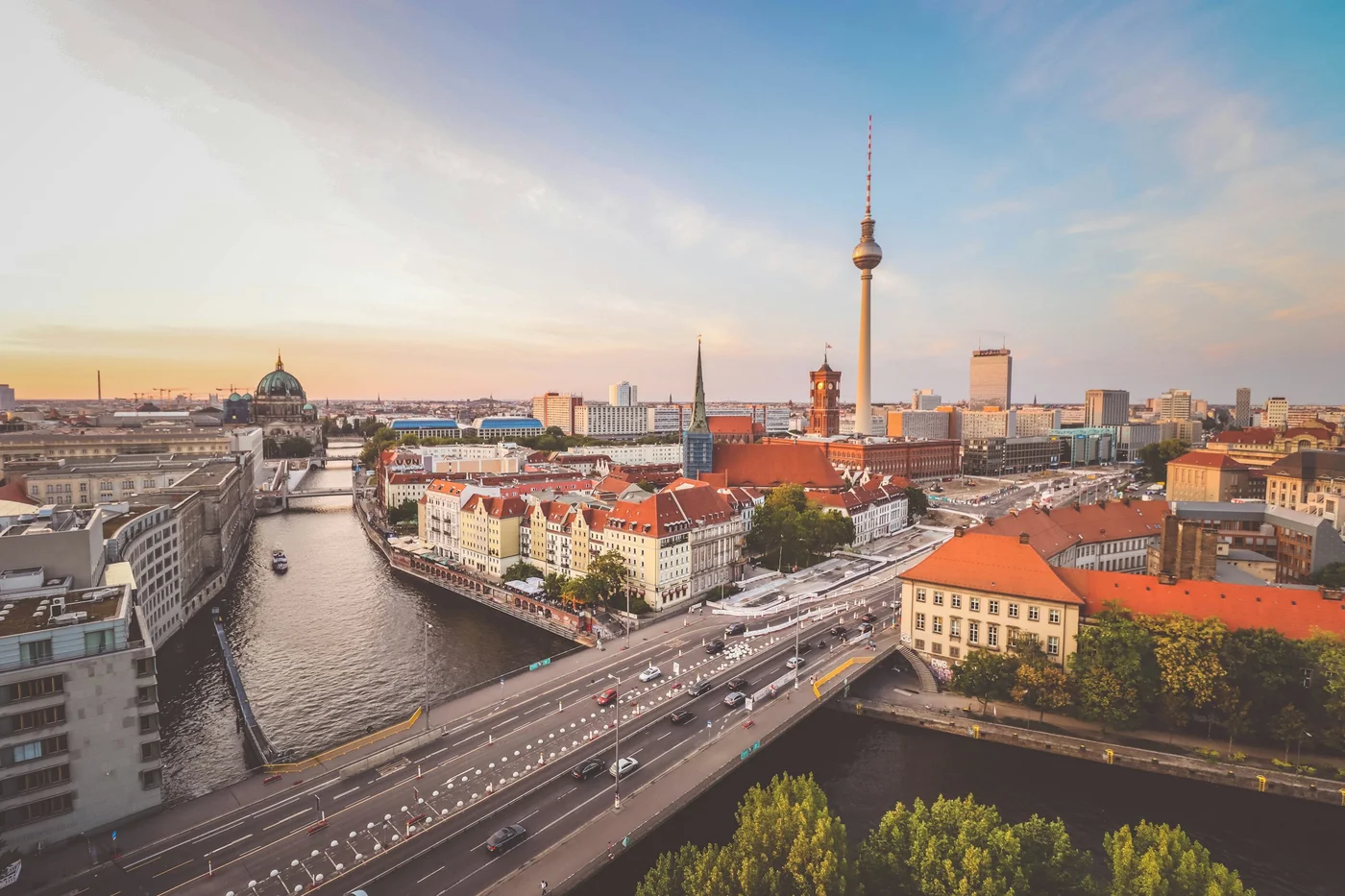
Berlin is one of those rare cities where the 20th century is still completely visible — layered into the streets, the squares, the architecture, and the bullet-pocked facades that survive in Kreuzberg and Mitte. The Brandenburg Gate stands where the Berlin Wall used to seal off East from West for 28 years; a 1.3km section of the Wall is preserved as the East Side Gallery, now the largest open-air mural project in the world. The Reichstag's glass dome by Norman Foster (book ahead, it's free) gives a panorama over the city; the haunting Memorial to the Murdered Jews of Europe (Peter Eisenman's 2,711 concrete stelae) sits a block away. Museum Island in the river Spree holds five world-class museums on a single UNESCO-listed strip: the Pergamon (much of it closed for renovation until 2027 but partly open), the Neues with Nefertiti's bust, the Altes with Greco-Roman antiquities, the Alte Nationalgalerie, and the Bode. Beyond the historic centre, Berlin's neighbourhoods are essential: vegan haunts and Turkish markets in Kreuzberg, gallery quarters in Mitte and the now-very-grown-up Prenzlauer Berg, the techno cathedrals of Berghain and Tresor in the regenerated industrial east. Türkische Märkte, parks where everyone barbecues in summer, and a citywide sense that history is not over.
 Editor's pick · Tiqets