First impressions of Bergen
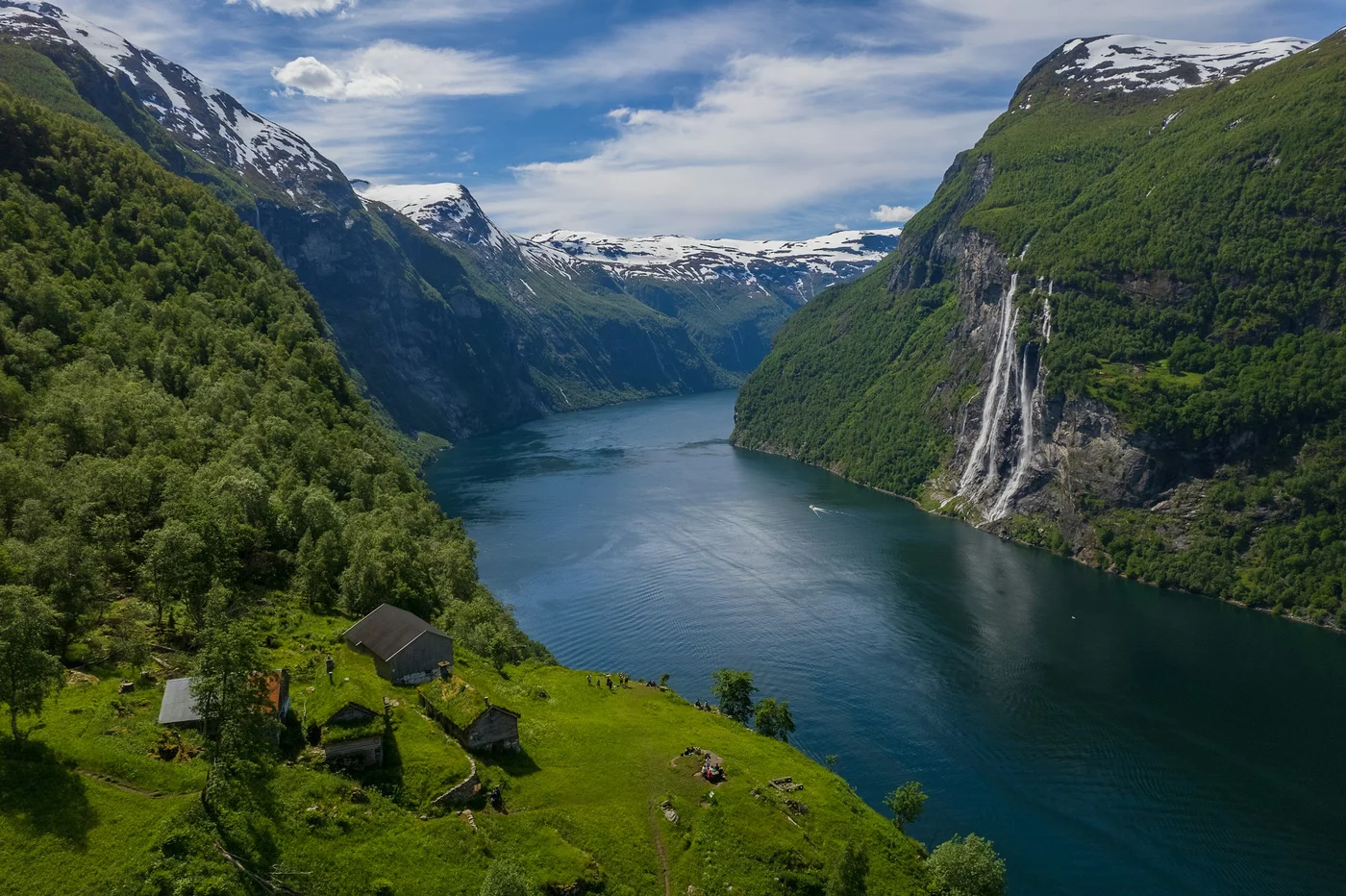
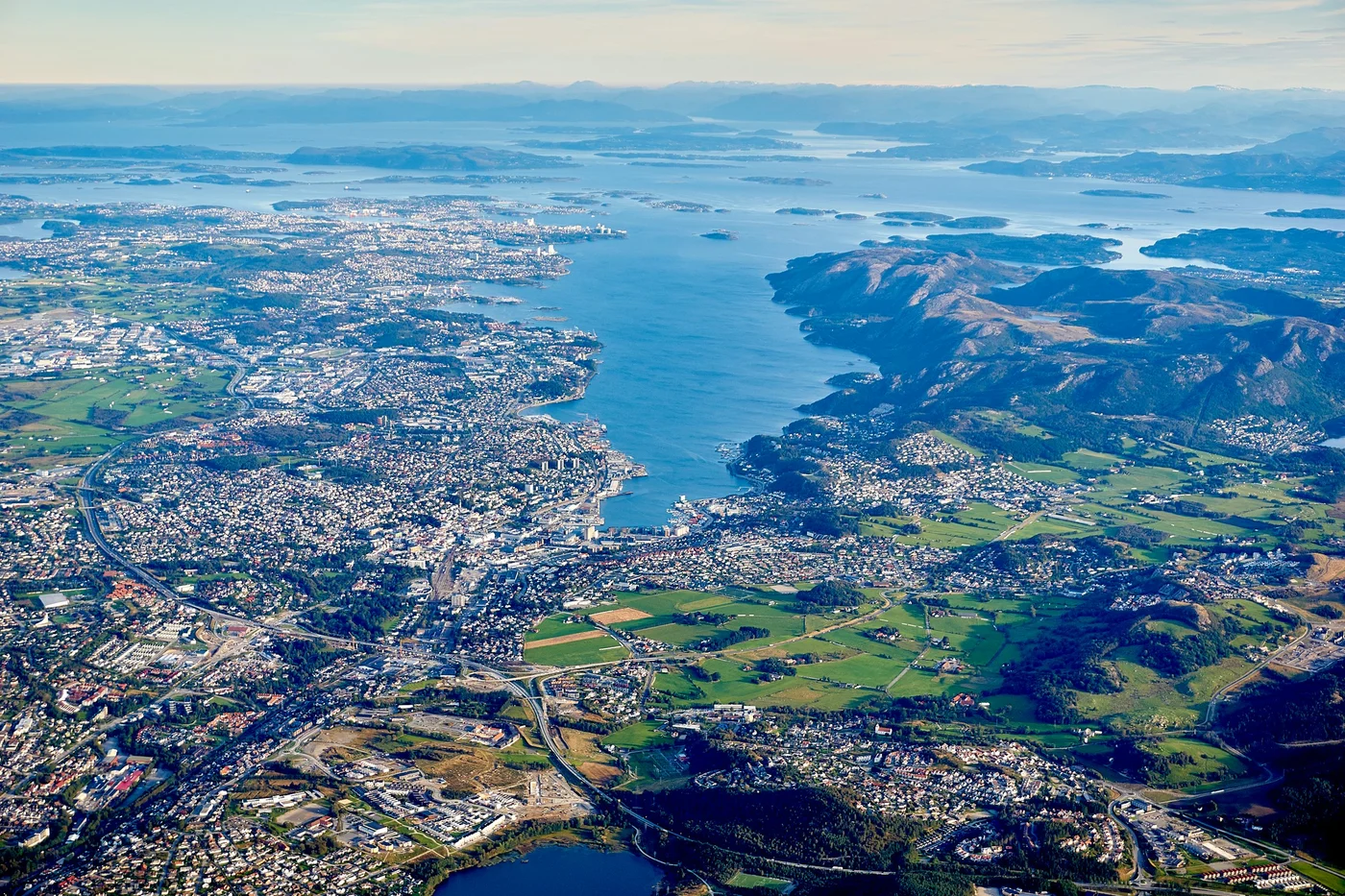
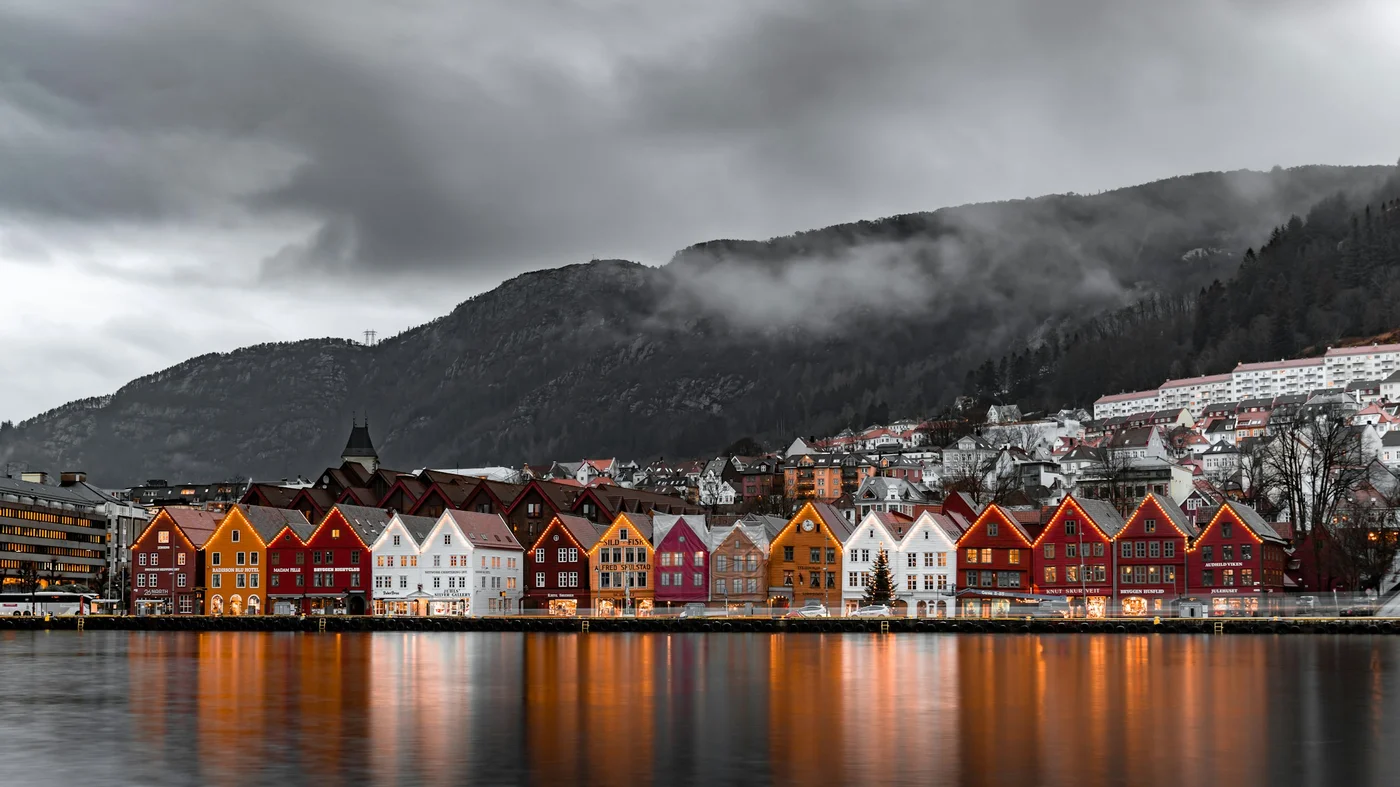
Bergen is Norway's second city and the gateway to the country's spectacular fjord region — a hillside coastal town wedged between seven mountains and a deep natural harbour, with a long history as a key Hanseatic League trading post and the rainiest reputation in northern Europe (around 240 days a year see some precipitation, locals carry umbrellas year-round and rather wear it as a badge of identity). The headline sight is Bryggen — the UNESCO-listed line of brightly painted wooden Hanseatic merchant houses along the harbour, dating to after the 1702 fire, where German traders once stored stockfish for export across Europe. Walk the narrow lanes behind them — the Hanseatic Museum tells the trading story brilliantly, and the small craft shops survive the day-tripper crowds. Ride the Fløibanen funicular up Mount Fløyen for the panorama over the rooftops and fjord (320m, takes 8 minutes); for the bigger panorama, take the Ulriken cable car (643m, the highest of the seven mountains). The Fish Market on the harbour has been working since 1276; the Edvard Grieg museum at Troldhaugen in the leafy southern suburbs is a moving visit (lunchtime piano recitals June–August in the composer's lakeside hut). Bergen is also the start of the spectacular Bergen Railway to Oslo and the gateway to the Sognefjord, Hardangerfjord, and the Norway in a Nutshell tour.
 Editor's pick · Tiqets