Greece
Explore Crete
Highlights, attractions and travel tips Crete
- Population
- 624,000
- Main airport
- HER
- Best time to visit
- April to June, September to October (May for wildflowers, October for swimming without crowds)
- Climate
- Summer 28°C · Winter 13°C
Why visit Crete
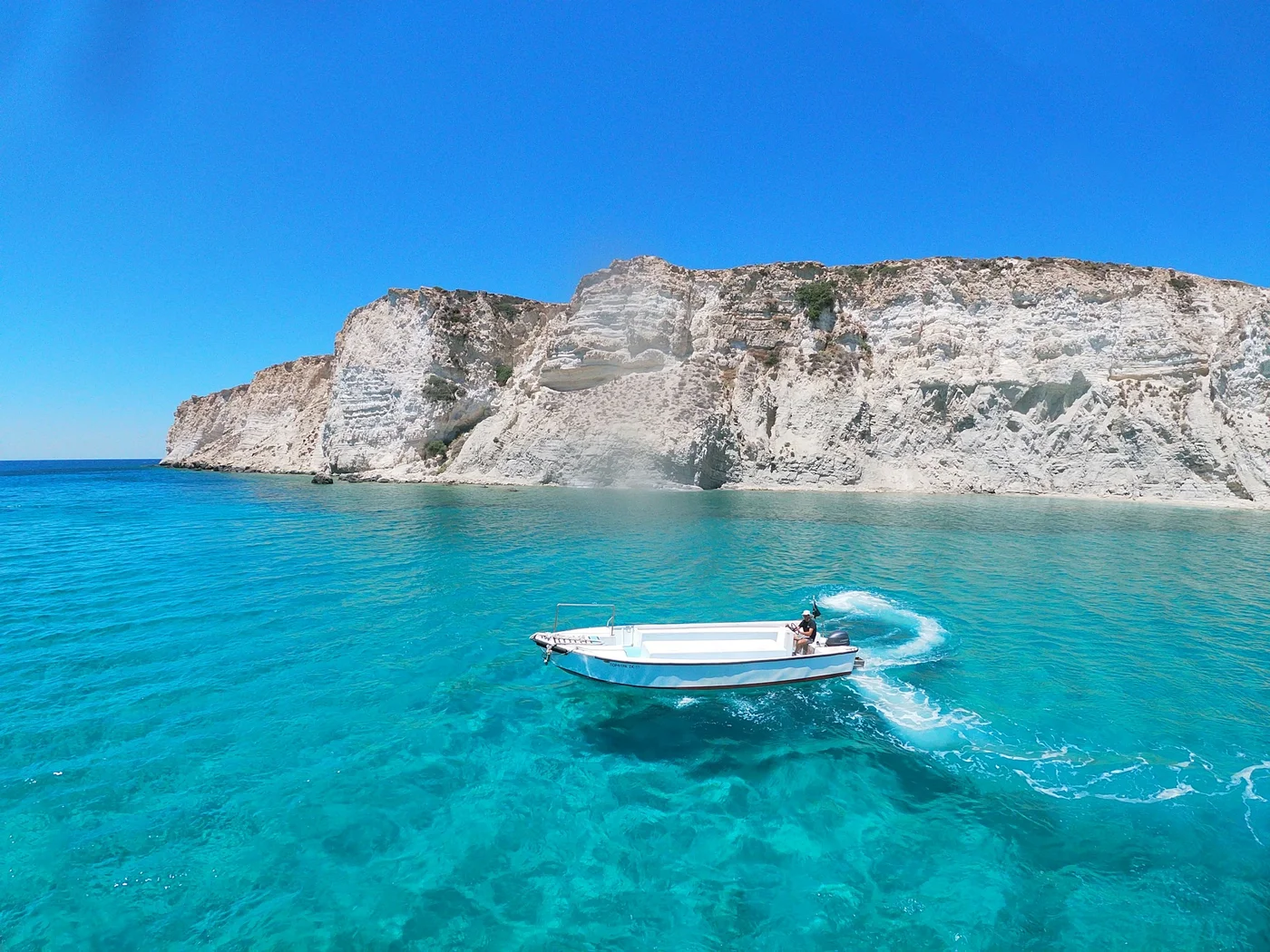
Crete is the largest Greek island and probably the most rewarding — a country-sized destination where you can be at a 4,000-year-old Minoan palace at breakfast, a UNESCO-listed gorge at lunch, and a turquoise-water white-sand beach by sunset. The most famous archaeological site is Knossos near Heraklion (the ceremonial centre of the Bronze Age Minoan civilisation), but Phaistos, Malia, and Zakros offer equally interesting Minoan remains without the crowds. The Samariá Gorge in the southwest is one of the longest in Europe at 16 km, a brilliantly atmospheric 6-7 hour hike from White Mountain pine forests down to the Libyan Sea. Pink-sand Elafonissi and Balos lagoons in the far west, the Venetian harbour of Chania (one of the most beautiful in the Mediterranean), Heraklion's archaeological museum (some of the finest collections in Greece), and the moving former leper colony of Spinalonga island (the setting of Victoria Hislop's novel The Island) round out the headline list. Cretan food is its own thing: dakos rusks, lamb baked in honey, snails in rosemary, the lethal local raki (tsikoudia), and dense local wines from Heraklion and Sitia.
Planning to visit Crete
When is the best time to visit Crete?
Do I need a visa to visit Crete?
It depends on your nationality. Run a quick check to see whether you need a Schengen visa, ETIAS, or can travel visa-free into Greece.
How do I get to Crete?
How do I get around Crete?
More cities in Greece
Plan the rest of your Crete trip
Schengen day calculator
Plan around the 90 days in any 180 rule — see how long you can stay and when you can re-enter.
Travel insurance for Greece
Medical, cancellation and baggage cover compared — what to look for before you book.